Wondering how much to fix before you list your Dormont bungalow? If your home has original details, a well-used porch, or the kind of charm that only comes with age, you are not alone. In Dormont, older homes are the norm, not the exception, and that changes how you should prepare to sell. With the right plan, you can highlight character, improve presentation, and avoid unnecessary projects. Let’s dive in.
Start With Dormont’s Market Context
Dormont has a relatively affordable housing market with a wide mix of housing types, and most of its homes were built before 1980. The borough’s 2025 comprehensive plan says 96% of houses fall into that category, with many offering historic character and low residential vacancy. That means buyers are often comparing older homes to other older homes, not expecting every property to feel newly built.
For you as a seller, that is good news. A bungalow’s age does not have to be framed as a problem. In many cases, clean condition, thoughtful presentation, and documented upkeep matter more than trying to erase every sign of age.
Highlight What Makes a Bungalow Special
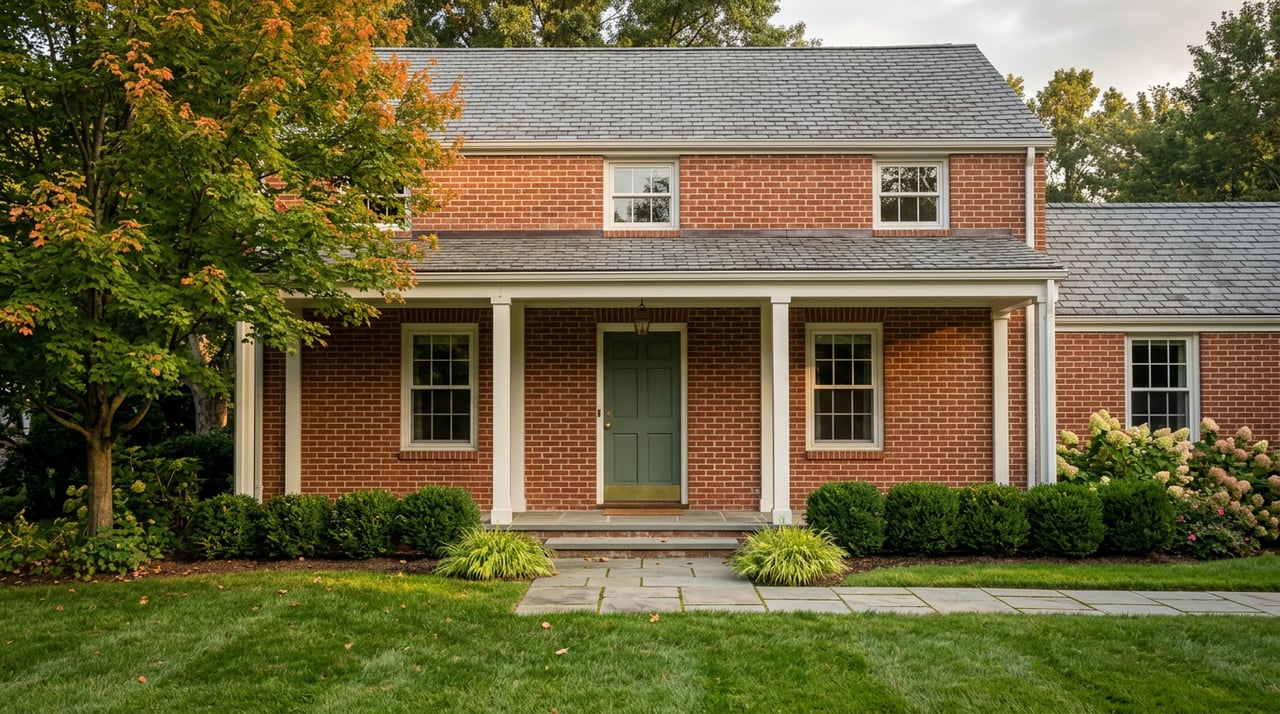
Pennsylvania Historical and Museum Commission style guidance describes Bungalow and Craftsman homes as compact, sturdy houses with low-pitched roofs, broad eaves, exposed rafters or braces, open porches, and substantial columns. These homes often use natural-looking materials such as wood, brick, stone, or stucco. Their appeal comes from proportion, detail, and a strong connection between the house and its setting.
If your Dormont home also reads more like a Cape Cod cottage, details still matter. PHMC notes that these homes often feature one-and-a-half stories, steep roofs, dormers, and simple facades where rooflines, windows, and entry treatment carry a lot of visual impact.
Before you list, take stock of features that help your home feel classic and authentic, such as:
- Front porches
- Dormers
- Rooflines
- Wood trim
- Built-ins
- Hardwood floors
- Multi-pane windows
These are often the details that help your home stand out in photos and in person. Instead of covering them up, your prep plan should help them read clearly and cleanly.
Focus First on Curb Appeal
Your exterior sets expectations before a buyer ever walks inside. Seller guidance cited in the research report notes that curb appeal plays an important role in market position, and one curb-appeal article says strong curb appeal can raise perceived value by as much as 7%.
For a Dormont bungalow, curb appeal does not need to mean a total overhaul. In many cases, the best return comes from making the house look cared for, bright, and easy to approach.
Easy Exterior Improvements
Start with basic cleanup and visible maintenance:
- Sweep the porch and walkway
- Trim landscaping
- Clear overgrown beds
- Make sure exterior lights work
- Clean the front door
- Touch up chipped paint where needed
- Wash windows
A tidy porch can do a lot of heavy lifting on an older home. Because porches are a defining feature of many Dormont bungalows, buyers notice them right away.
Know When a Permit May Be Needed
Dormont requires review before construction, alteration, extension, repair, demolition, or removal of a house or commercial structure begins. The borough’s Building and Zoning Department also lists many projects that require permits, including some window and door changes, rebuilt stairs or walls, porch enclosures, roof replacement over 25%, HVAC replacement, patios, driveways, fence replacement, and permanent awnings.
That is why it helps to separate cosmetic prep from regulated work. Cleaning, decluttering, and minor touch-ups are one thing. Bigger changes should be checked against borough permit rules before you start.
Keep Interior Prep Simple and Strategic
Inside the home, your goal is not to make a bungalow feel generic. Your goal is to make it feel open, cared for, and easy for buyers to understand.
Research cited in the report found that 83% of buyers’ agents said staging helps buyers visualize the property as a future home. The most commonly staged rooms were the living room, primary bedroom, dining room, and kitchen. For a Dormont home, that means focusing your effort where buyers will form the strongest opinions.
Rooms to Prioritize
If you are deciding where to spend time and money, start here:
- Living room
- Kitchen
- Primary bedroom
- Dining room
- Main entry or porch transition area
These spaces shape the home’s first impression and everyday feel. If they look bright, functional, and uncluttered, the whole house tends to show better.
What to Remove Before Showings
Older homes can feel smaller when they are overfilled. Try to reduce visual noise so buyers can see the room, not just the belongings.
Consider removing or minimizing:
- Extra furniture that blocks flow
- Heavy window coverings
- Countertop clutter
- Personal collections
- Refrigerator magnets and paper clutter
- Worn rugs that hide good flooring
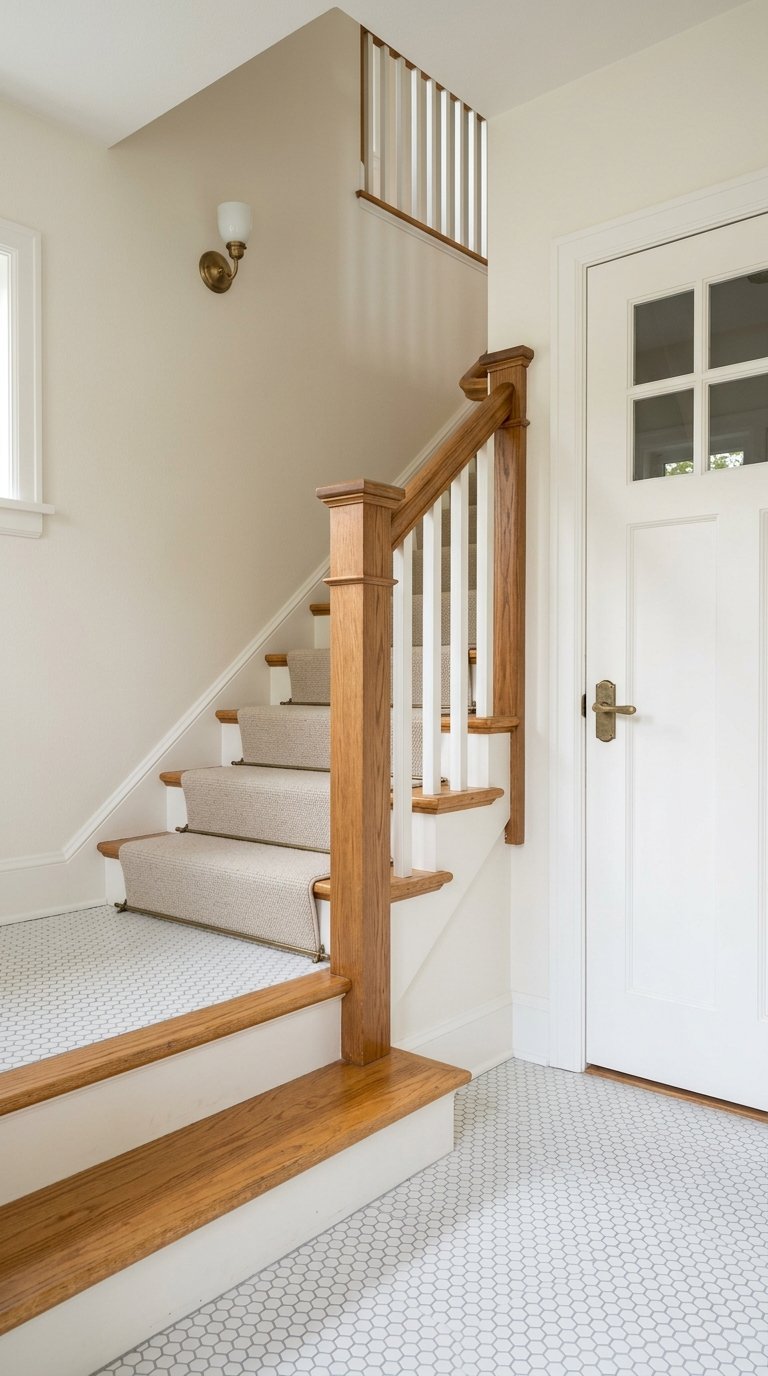
If you have hardwood floors, built-ins, or original trim, let those details breathe. They often do more for your sale than trendy decor.
Prepare for Listing Photos Early
Most buyers start online, and photos play a major role in which homes they choose to see in person. The research report notes that 85% of buyers say photos are the most important factor in deciding which homes to view.
Cameras also magnify clutter, grime, and awkward furniture placement. What feels fine in daily life can look distracting in listing photos.
Best Photo Priorities for a Dormont Bungalow
For this style of home, the strongest photo set will usually emphasize:
- Front exterior
- Porch
- Living room
- Kitchen
- Primary bedroom
- Original architectural details
This approach works because a classic Dormont home often sells on character as much as square footage. Good photos should show light, layout, and detail without making the home feel overstyled.
A Simple Photo Checklist
Before the photographer arrives, try to:
- Open blinds and curtains for natural light
- Clean windows and light fixtures
- Remove small distracting items
- Straighten furniture
- Clear surfaces
- Take a few practice phone photos to spot problem areas
A practice run can be surprisingly useful. You will often notice crowded corners, dark spots, or distracting items only after seeing them in a photo.
Consider a Pre-Sale Inspection
A pre-sale inspection is not required, but it can help you understand your home before buyers do. Seller guidance in the research report notes that a pre-sale inspection may uncover issues involving the roof, exterior, plumbing, electrical, HVAC, insulation, ventilation, or moisture.
That matters in an older bungalow. If an inspection reveals a concern, you can decide whether to repair it before listing, disclose it clearly, or price the home accordingly.
This kind of planning often leads to smoother negotiations because you are reacting less and preparing more. It can also help you avoid rushed decisions once the home is already on the market.
Gather Your Records Before You List
In Pennsylvania, sellers must disclose all known material defects that are not readily observable. The state disclosure form asks about issues involving the roof, basement water or dampness, pests, structural items, legal violations, liens, zoning or building code issues, and other material defects.
For a Dormont bungalow, documentation can make a big difference. If you have completed roof work, waterproofing, HVAC updates, electrical repairs, or other maintenance, gather your receipts, contractor records, manuals, warranties, and permit records before listing.
Helpful Documents to Pull Together
Try to assemble a folder with:
- Roof repair or replacement records
- HVAC service and replacement records
- Electrical or plumbing invoices
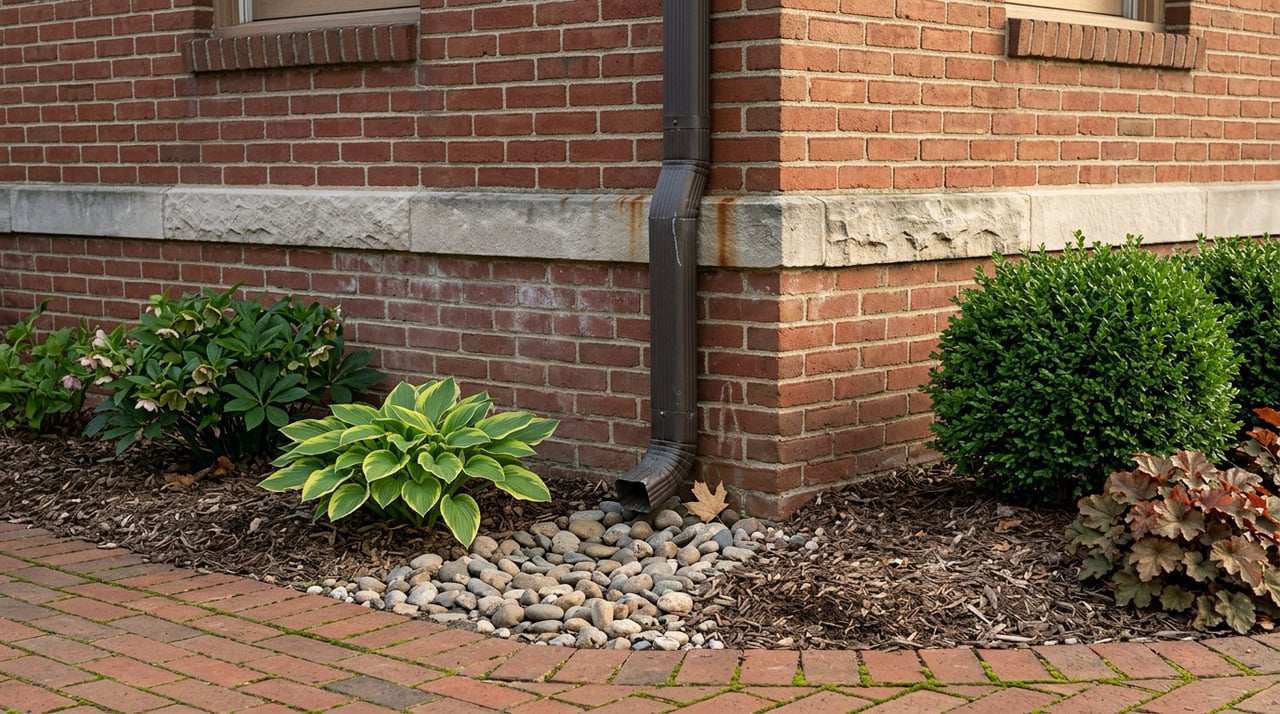
- Waterproofing or drainage work records
- Appliance manuals and warranties
- Borough permit records for completed work
This helps you answer buyer questions accurately. It also makes it easier to complete disclosure forms and respond if new information changes after the form is finished, which Pennsylvania rules require you to update in writing.
Avoid Over-Renovating
Because Dormont is mostly built out and has low residential vacancy, presentation and condition often matter more than trying to make an older house feel brand new. That means you do not always need a major remodel to compete well.
In many cases, the smarter move is to invest in cleaning, paint touch-ups, decluttering, lighting, landscaping, and presentation. Buyers looking in Dormont are often open to older homes, especially when the home’s style feels intact and its maintenance story is clear.
A polished, well-marketed bungalow with character can be more compelling than a home that lost its original feel through rushed updates. Your goal is to show buyers a home that has been cared for, not stripped of what made it special.
Build a Sale Plan Around Character and Clarity
Selling a Dormont bungalow is rarely about making it look like every other house. It is about helping buyers see why this home fits the neighborhood, how it lives day to day, and what has been maintained over time.
That takes a thoughtful plan. When you combine curb appeal, selective staging, strong photography, and clear documentation, you put your home in a stronger position from the start.
If you are getting ready to sell in Dormont and want a polished, high-touch strategy built around your home’s strengths, connect with Wendy Weaver for personalized guidance.
FAQs
What should you fix before selling a bungalow in Dormont?
- Focus first on visible upkeep, cleanliness, and safety-related concerns. Cosmetic touch-ups, decluttering, lighting, and landscaping usually matter more than major remodeling, and larger projects should be checked against Dormont permit rules first.
What bungalow features should you highlight when selling in Dormont?
- Emphasize original details that support the home’s character, such as porches, dormers, wood trim, built-ins, hardwood floors, rooflines, and multi-pane windows.
Do you need permits for pre-listing work on a Dormont home?
- Some work may require borough review or permits, especially changes involving windows, doors, stairs, walls, HVAC, porches, roofs over 25%, patios, driveways, fences, and permanent awnings.
Is a pre-sale inspection worth it for an older Dormont house?
- It can be. A pre-sale inspection may help you identify issues early and decide whether to repair them, disclose them, or price the home with those findings in mind.
What disclosures matter when selling an older home in Pennsylvania?
- Pennsylvania requires sellers to disclose known material defects that are not readily observable, including issues involving the roof, basement water or dampness, pests, structural items, legal violations, liens, zoning or building code issues, and other material defects.