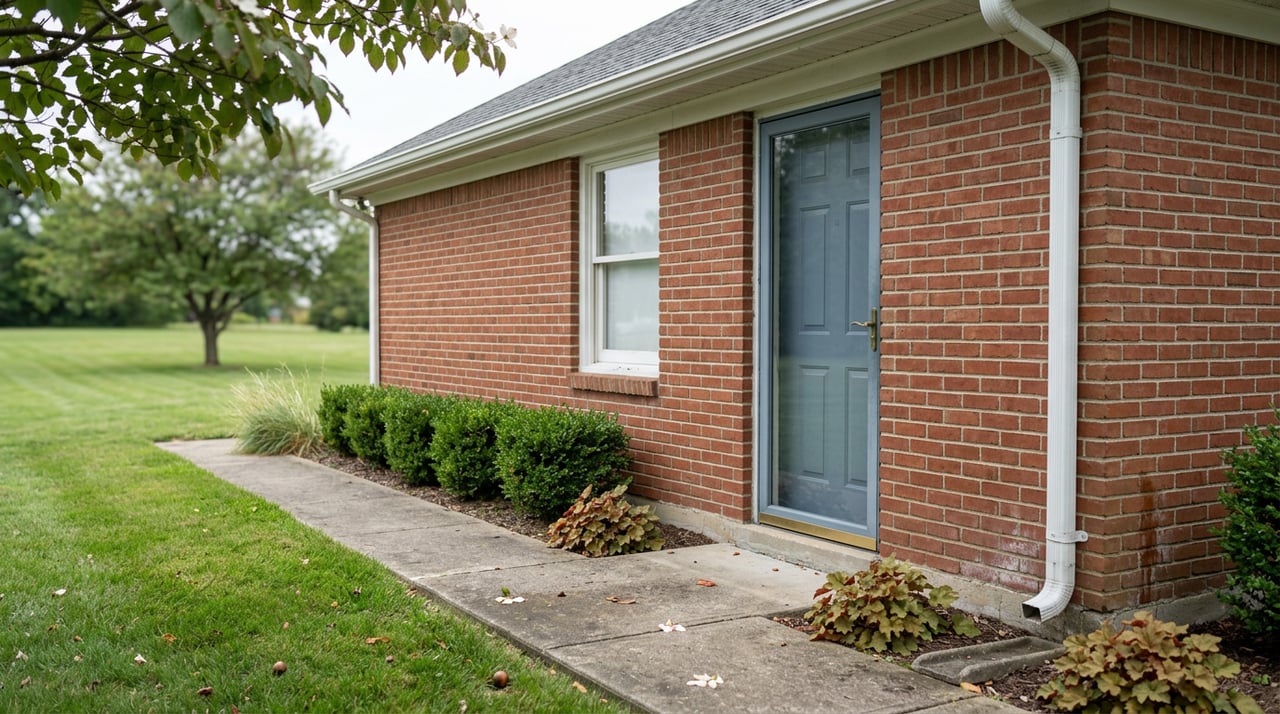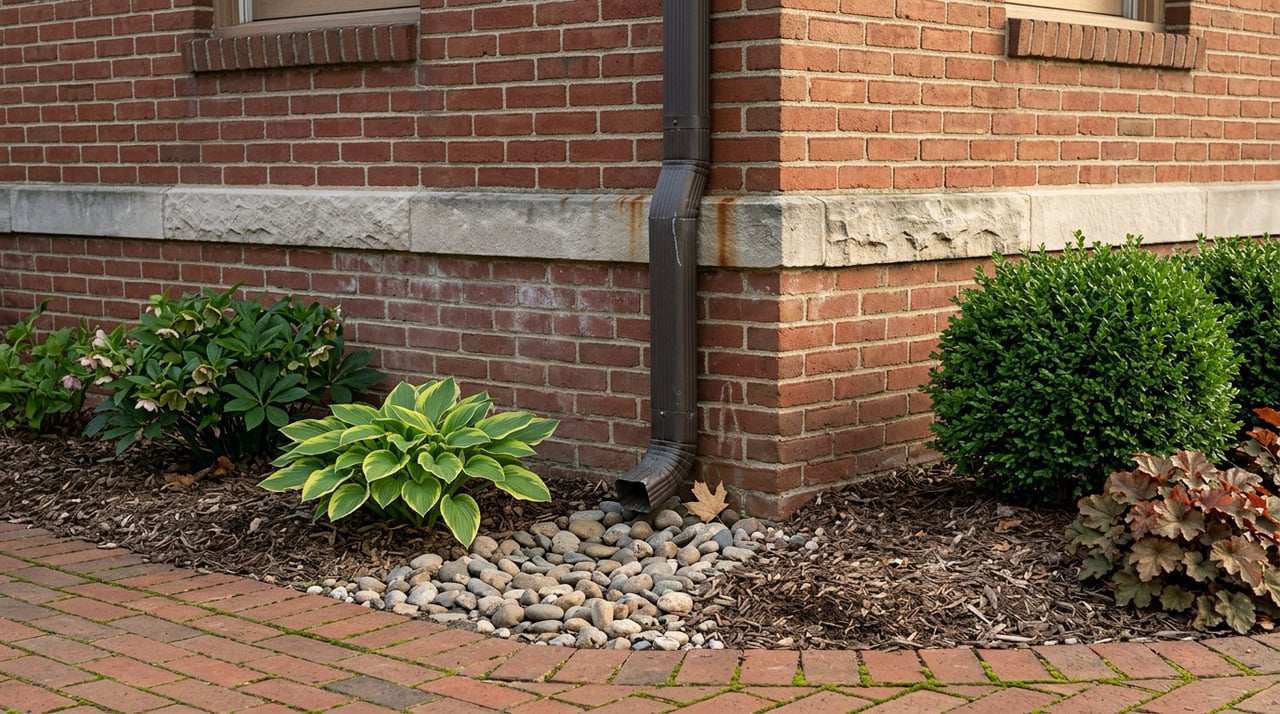
A plumber licensed in Allegheny County inserts a small amount of powdered dye into a downspout or a floor drain, flushes it with water, and walks to the nearest manhole. If that water turns bright fluorescent green before it reaches the treatment plant, the house has a problem that has nothing to do with square footage, curb appeal, or the buyer's mortgage approval. It has a downspout or a foundation drain tied into the sanitary sewer instead of the storm system, and until that's fixed, the sale doesn't close on schedule.
This is Mount Lebanon's point-of-sale dye test, and it catches more sellers off guard than almost anything else in a South Hills transaction. It isn't a home inspection contingency a buyer can waive. It's a municipal requirement tied to your address, and the borough's own testing history says older homes fail it at a rate that should change when you schedule it.
What the Test Actually Checks
Mount Lebanon passed its point-of-sale dye testing ordinance in 2004, in response to a federal mandate, requiring that any blocked drains be unblocked and included in the test before a sale can close. The municipality's public works page spells out the mechanics: dye goes into a downspout or drain, the water is checked downstream at a manhole, and if it shows up where it shouldn't, the borough's inspection department is notified and corrective work has to be approved before the file moves forward.
The paperwork side has real deadlines. Evidence of Compliance is due a minimum of 10 business days before your closing date, and it comes with a $50 fee. If weather or scheduling makes that window too tight, you can request interim relief, but that request has to go in at least 14 business days before closing, and it requires posting escrow money to cover the test itself and any repairs it turns up.
An approved test stays good for three years, and you don't need one at all if you're only refinancing. It's strictly a sale-and-transfer requirement, which is exactly why so many sellers never hear about it until their agent or title company brings it up.
The Number That Should Change How You Time This
Mount Lebanon didn't start dye testing at random. The program traces back to 1987, when a proposed subdivision near Rocklynn Woods needed county and state sign-off on its sewer taps to protect the Saw Mill Run watershed. That first round of testing ran through specific streets: Mission Hills, Central Square, parts of Sunset Hills, Main Entrance Drive, Roycroft Avenue, and Hoodridge Drive.
By 1996, roughly 9,000 homes across the borough had been tested, and about 20 percent came back in violation, according to reporting in Mt Lebanon Magazine. Every house in the municipality had been through the process by the early 2000s, but that one-in-five failure rate is the number worth sitting with. It didn't come from a random sample of new construction. It came from Mount Lebanon's actual housing stock, tested street by street, decade after the homes were built.
Why Older Homes Trip the Wire
Mount Lebanon was built out between 1912 and the 1950s as one of Pittsburgh's earliest streetcar suburbs, and the housing reflects it. Tudor revivals line Cedar Boulevard. Center-hall colonials fill the grid blocks around Washington Road. Brick four-squares anchor Beverly and Bower. Homes in Virginia Manor and Sunset Hills carry the same era of construction, often with the original plumbing still doing at least some of the work.
None of that plumbing was installed with a dye test in mind, because separated storm and sanitary systems weren't standard when these houses went up. Running a downspout or a foundation drain into the same pipe as the toilets was common practice for decades. It only became a problem once the borough decided, correctly, that all that extra rainwater flooding the sanitary system during storms was straining the network and driving up treatment costs. The dye test is designed to find precisely this kind of legacy connection, which is why a 1925 Tudor is a meaningfully different bet than a home built after separated systems became routine.
The Clock You're Actually Racing
Here's where timing turns from an annoyance into a real risk. Mount Lebanon's median sale price reached $413,000 in February 2026, up slightly from the year before, but homes were also taking longer to sell than they had been. The average climbed to 76 days on market that month, compared with 54 days over the same stretch the year before.
Stretch out the selling timeline and you shrink the room you have to absorb a failed dye test without it touching your closing date. Compare the compliance calendar against a typical 30 to 45 day closing window:
| Requirement | Deadline Before Closing |
|---|---|
| Evidence of Compliance submitted | 10 business days minimum |
| Interim Evidence of Compliance requested | 14 business days minimum |
| Corrective work approved by Inspection Department | Before compliance is issued |
| Escrow posted (if using interim relief) | At time of interim request |
A test scheduled the week you go under contract leaves almost no margin if it fails. Corrective plumbing work, especially anything involving rerouting a downspout connection or repairing a cracked lateral, rarely happens on 10 business days' notice. And the consequence isn't just a delay. A failed dye test can lead directly to a lower offer, because a buyer who sees an open compliance issue treats it the way they'd treat any other unresolved repair item: as leverage.
The interim relief option exists for a reason, but it comes with a tradeoff worth knowing before you lean on it. Once you post escrow and close under interim relief, it becomes the buyer's responsibility to make sure the corrective work actually gets done and the file gets closed out. That's a fine backstop in an emergency. It's a strange thing to hand a new owner on day one if it was avoidable.
Get Ahead of It: A Pre-Listing Timeline
- Schedule the dye test four to six weeks before you plan to list, not after you accept an offer. This gives you the runway to handle repairs on your own terms instead of the buyer's clock.
- Budget for the possibility of corrective plumbing work up front, especially in homes built before the 1950s where downspout tie-ins and aging clay or cast iron laterals are common enough to expect, not just possible.
- If the test fails, get the corrective work quoted and scheduled immediately. The Inspection Department has to approve the fix before it counts toward compliance, so the sooner that process starts, the less it competes with your actual closing date.
- Keep the approved Evidence of Compliance with your other seller disclosure paperwork. A completed test presented at listing reads as preparation. A pending one discovered mid-contract reads as a problem.
A Few Questions Sellers Ask
How long does a passed test stay valid? Three years from approval, so if you had a home tested recently for another transaction, check the date before assuming you need a new one.
Do I need this if I'm only refinancing? No. The ordinance applies to sales and transfers of ownership, not refinancing.
What if bad weather makes it impossible to test before closing? You can request interim relief at least 14 business days out, but it requires posting escrow and shifts the responsibility for completing corrective work to the buyer after closing. It's a real option, not a first choice.
Mount Lebanon's charm is inseparable from its age, the Tudors on Cedar, the four-squares on Beverly, the century of families who've stayed put for a decade or more. That same age is exactly what makes a downspout dye test worth taking seriously before you ever put up a sign. If you're weighing when to list a Mount Lebanon home and want a clear-eyed read on what your specific property is likely to face, Wendy Weaver has spent years walking South Hills sellers through exactly this kind of local detail. Get your instant home valuation to see where your home stands, then let's talk about what happens before the sign goes up.