Are you moving to Pittsburgh for work and trying to find a place that makes daily life easier from day one? Mount Lebanon stands out because it offers a rare mix of convenience, character, and community resources in one close-in South Hills location. If you want a neighborhood with transit access, walkable business districts, and an established housing stock, this guide will help you see why so many relocating professionals put Mount Lebanon on their shortlist. Let’s dive in.
Mount Lebanon offers a close-in location
For many relocating professionals, location is the first filter. Mount Lebanon sits about 6 miles southwest of Pittsburgh and covers 5.88 square miles, which makes it one of the closer-in South Hills municipalities. That distance can matter when you are balancing office time, errands, and the simple goal of getting settled quickly.
Its size also helps create a more connected feel. You are not looking at a far-flung suburb where daily destinations are spread across a large area. Instead, Mount Lebanon gives you a compact footprint with a mix of residential streets, business districts, and public amenities.
Transit and commuting can be a real advantage
If your work schedule includes trips into Downtown Pittsburgh, Mount Lebanon offers more than one way to get there. The municipality says the Uptown district has both bus and light rail service, with access to Downtown Pittsburgh, Galleria, and South Hills Village. That kind of built-in transit access can be a major plus when you are relocating and still learning traffic patterns.
The Mt. Lebanon park-and-ride adds another practical option. Pittsburgh Regional Transit says it has 24 spaces, no parking fee, and service seven days a week on the Red Line and 38 Green Tree. Peak-hour transit frequency is listed at about every 12 minutes, which can help support a more predictable routine.
If you expect to rely on rail, it is smart to check live service alerts as your move date gets closer. Pittsburgh Regional Transit lists a Mount Lebanon Tunnel rail replacement estimated for Spring 2027, so commute planning may be worth a closer look depending on your timeline. For many buyers, that is not a dealbreaker, but it is the kind of detail that matters when you are choosing where to live.
Walkable districts support daily convenience
One reason Mount Lebanon appeals to busy professionals is that convenience is built into the community. Beverly Road is described by the municipality as a small commercial district with restaurants, retail, services, and long-standing customer traffic. If you like the idea of everyday errands and casual outings being part of a walkable routine, this corridor deserves attention.
Uptown, the central business district along Washington Road, adds even more activity. The municipality says it includes 41 commercial properties, 182 businesses, and 72 storefronts, with storefront vacancy around 8%. It also hosts seasonal street festivals and a weekly summertime farmers’ market, which gives the district an active, lived-in feel.
For a relocating buyer, this means you can choose a home with your lifestyle in mind. If you want a more main-street setting, areas near Washington Road or Beverly Road may feel like a strong fit. If you prefer destinations that are easier to reach by car, the municipality’s more auto-oriented commercial areas may be worth exploring too.
Commercial areas offer different lifestyles
Not every buyer wants the same setup, and Mount Lebanon gives you options. Along with Uptown and Beverly Road, the municipality identifies Castle Shannon Boulevard, Cochran Road, and the Galleria area as commercial corridors that serve shopping and destination traffic. These areas have fewer pedestrian amenities than the more traditional business districts, but they can still offer convenience depending on how you like to move through your day.
That variety matters when you are relocating from out of town. Some professionals want to be near transit and walkable shops. Others care more about quick car access, easier parking, and a straightforward trip to retail and services. Mount Lebanon’s layout supports both approaches.
Housing stock brings character and flexibility
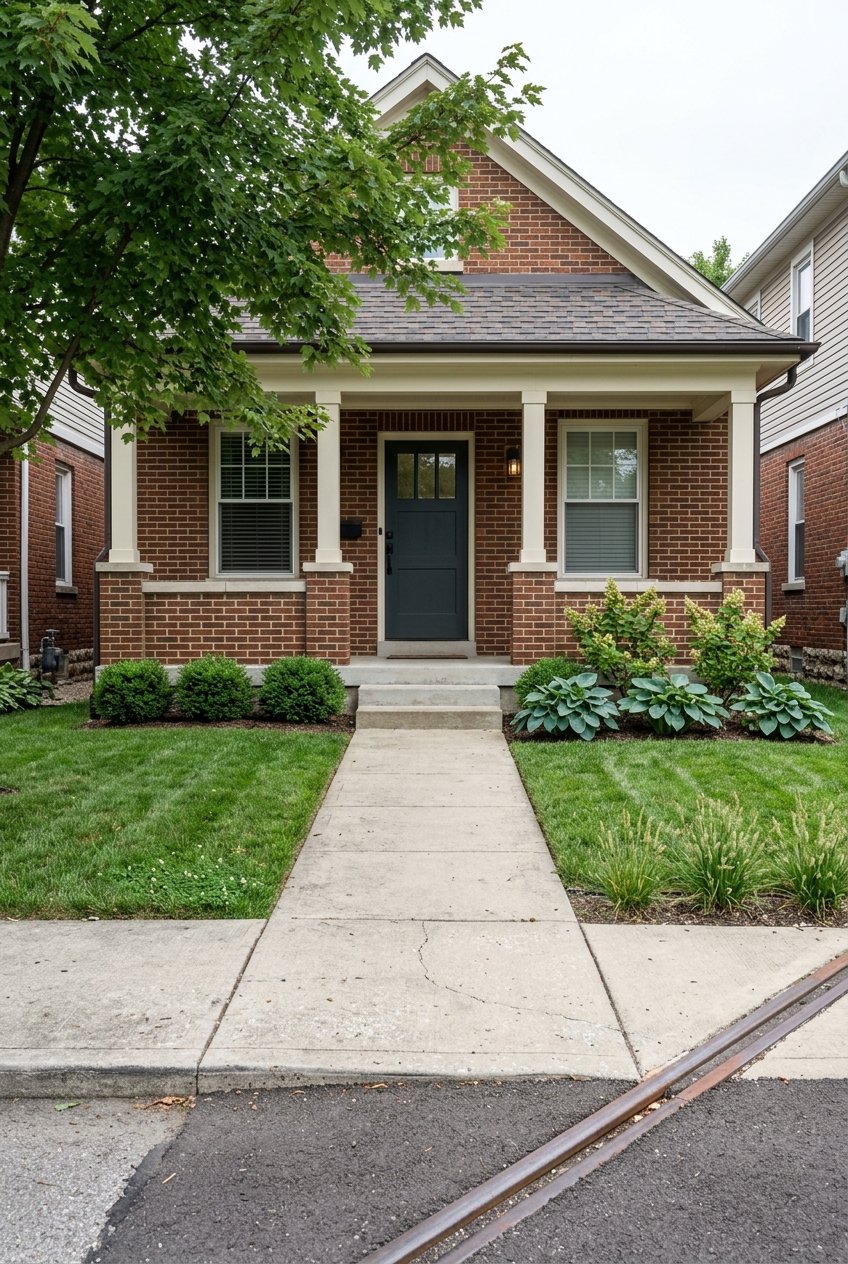
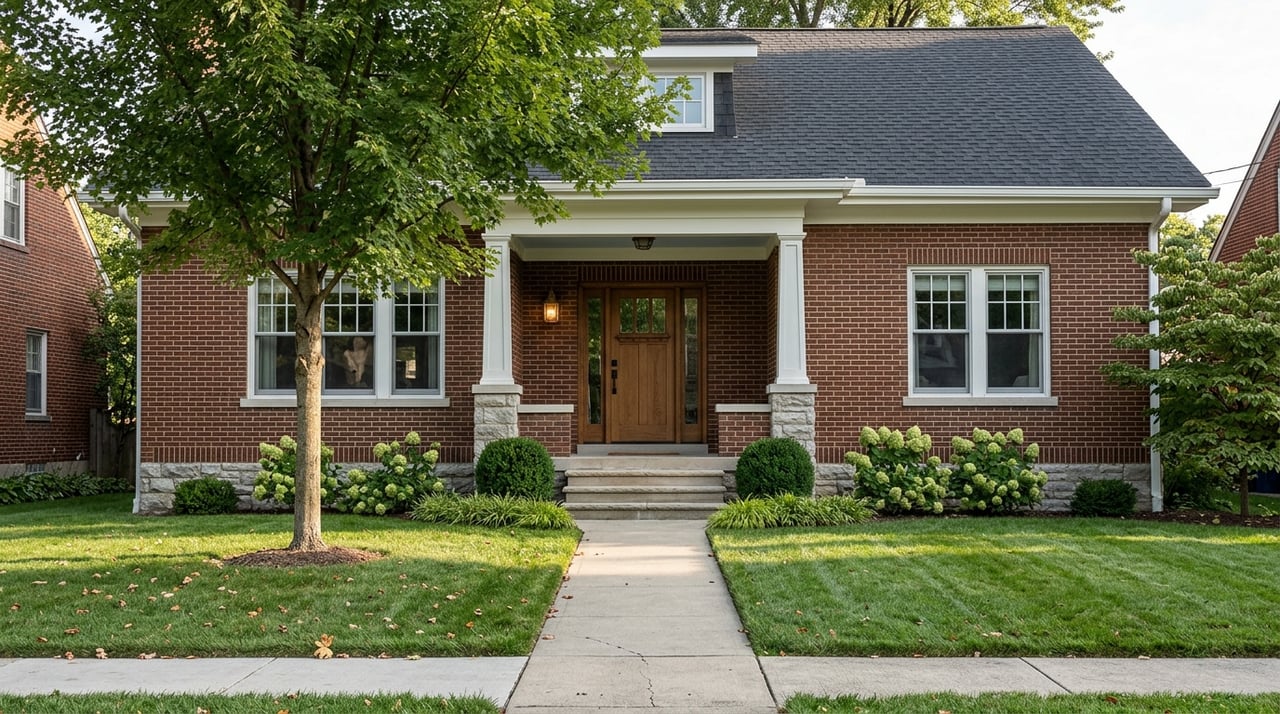
Mount Lebanon also stands out for its housing stock. The municipality has a National Register Historic District of about 4,400 properties, established in 2014. For buyers who want a home with architectural detail and a sense of place, that can be a meaningful part of the appeal.
According to the municipality’s design guide, common historic styles include Tudor, Colonial Revival, Bungalow, Foursquare, Dutch Colonial, and French Provincial. Other parts of Mount Lebanon include post-war ranch, split-level, modern, and postmodern homes. That range gives you more choices than you might expect in a compact community.
For relocating professionals, this often translates into flexibility. You may find a classic older home with original character, or you may prefer a layout from a later era that better matches your daily needs. If you appreciate mature neighborhoods and architectural variety, Mount Lebanon offers a housing landscape that feels established rather than uniform.
Older homes can suit modern goals
Established housing stock often comes with tradeoffs, but it can also create opportunity. Mount Lebanon’s historic-properties resources show that preserving older homes is an important local theme, and the municipality provides tools for homeowners who want to maintain or restore historic character. That can be helpful if you are drawn to older architecture and want to understand the local mindset around stewardship and updates.
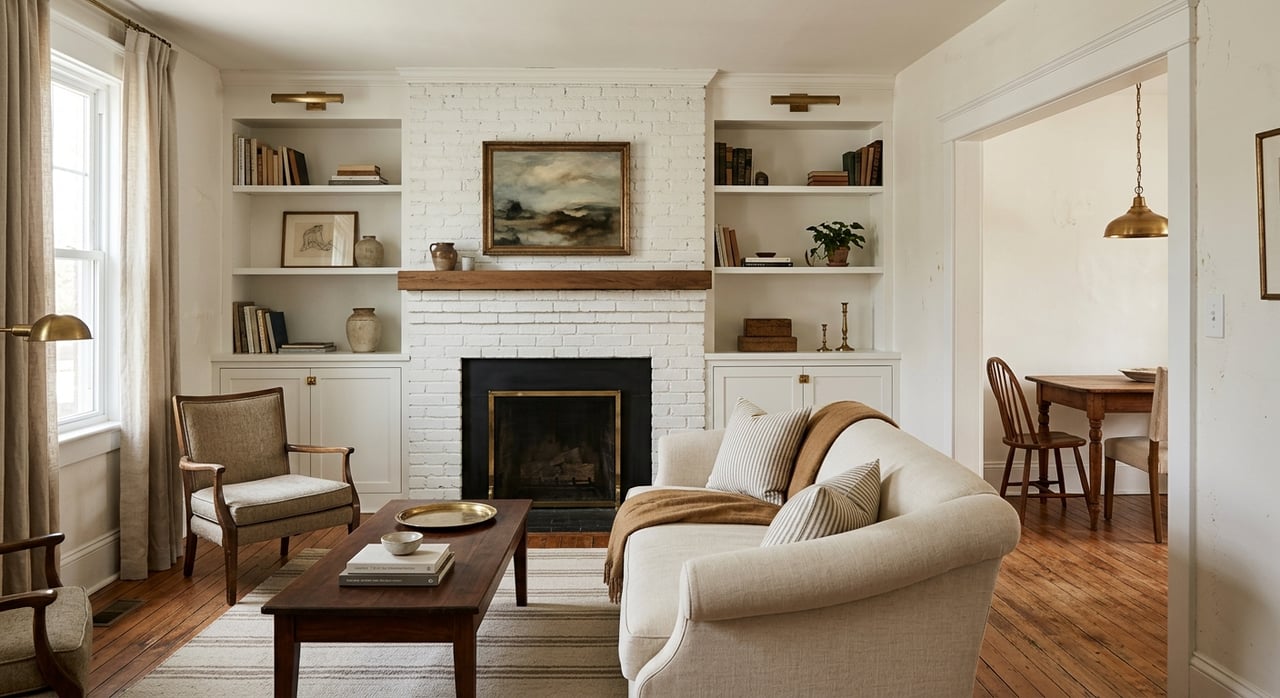
For some relocating buyers, this is part of the attraction. Instead of choosing a new-construction subdivision, you may be able to find a home with solid bones, distinctive style, and room to personalize over time. If that sounds like your vision, local guidance becomes especially valuable during your search.
Community resources help you settle in
A move is not only about the house. It is also about how quickly you can feel at home in your new community. Mount Lebanon offers a broad set of municipal and school-community resources that can make that transition easier.
Mt. Lebanon Park anchors a 16-park system, and the recreation department operates a swim center, public golf course, racket center, and recreation center. Those amenities add practical options for recreation, routines, and meeting people once you arrive. For many professionals and families, that kind of built-in infrastructure makes a move feel less overwhelming.
The Mt. Lebanon Public Library also serves as a meaningful community resource. The library describes itself as inclusive and welcoming, and the district notes that it has served the community since 1932. When you are new to an area, places like this can help you get oriented and connected.
School-community resources add everyday support
If you are moving with children, or simply want to understand the structure of local community services, Mount Lebanon offers a wide range of district-connected resources. The school district highlights continuing education, summer programs, preschool, before- and after-school care, community flyers, and a Gold Card benefit for residents age 62 and older. Those programs show the breadth of services tied to everyday life in the community.
The district also says it operates seven elementary schools, two middle schools, and one high school. That information can be useful as you compare logistics, routines, and long-term fit. In relocation decisions, practical support often matters just as much as commute time.
Mount Lebanon balances suburb and city access
Relocating professionals often compare several South Hills communities at once. Mount Lebanon can appeal because it sits in a middle ground between highly compact borough living and more spread-out suburban development. That balance is a big reason it stays on so many buyers’ radar.
Compared with Dormont, Mount Lebanon is larger and more district-oriented. Dormont covers 0.76 square miles and is described by the borough as a walking community with dense streets, a vibrant business district, and Shared Streets that reduce through-traffic. If you want a little more room while keeping access to walkable areas, Mount Lebanon may feel like a natural next step.
Compared with Bethel Park, Mount Lebanon is smaller and closer to Pittsburgh. Bethel Park covers 11.92 square miles and is described as a well-balanced mix of residential and commercial development. If being closer in matters to your routine, Mount Lebanon may offer a stronger fit.
Compared with Upper St. Clair, Mount Lebanon is also smaller and closer in. Upper St. Clair covers 9.95 square miles and is described by Allegheny County as hilly and wooded. Buyers who want a more transit-connected and walkable mix often find Mount Lebanon worth a closer look.
Why professionals keep choosing Mount Lebanon
When you step back, the appeal becomes pretty clear. Mount Lebanon combines proximity to Pittsburgh, transit options, walkable commercial districts, established homes, and a strong range of community resources. That combination is hard to replicate, especially if you want a neighborhood that feels residential without feeling disconnected.
For relocating professionals, the real value is how these features work together. You can look for a home near a business district, plan around transit, enjoy a mature streetscape, and settle into a community with long-standing public amenities. If your goal is to make a smart move with both lifestyle and logistics in mind, Mount Lebanon deserves serious consideration.
A relocation is easier when you have a local expert who knows how each part of Mount Lebanon feels from block to block. If you are weighing commute patterns, housing styles, or the right South Hills fit, Wendy Weaver can help you narrow your options and move with confidence.
FAQs
Why do relocating professionals consider Mount Lebanon, PA?
- Mount Lebanon often appeals to relocating professionals because it is about 6 miles from Pittsburgh and offers transit access, walkable business districts, established housing, and a broad set of community resources.
What commuting options are available in Mount Lebanon?
- Mount Lebanon offers bus and light rail service in the Uptown district, and the Mt. Lebanon park-and-ride provides seven-day access with free parking, 24 spaces, and peak-hour service about every 12 minutes according to Pittsburgh Regional Transit.
What are the main business districts in Mount Lebanon?
- The municipality identifies Uptown along Washington Road and Beverly Road as key walkable commercial districts, while Castle Shannon Boulevard, Cochran Road, and the Galleria area serve more auto-oriented shopping and destination traffic.
What types of homes can you find in Mount Lebanon?
- Mount Lebanon includes a wide range of housing styles, including Tudor, Colonial Revival, Bungalow, Foursquare, Dutch Colonial, French Provincial, post-war ranch, split-level, modern, and postmodern homes.
What community resources does Mount Lebanon offer residents?
- Mount Lebanon offers a 16-park system anchored by Mt. Lebanon Park, plus a swim center, public golf course, racket center, recreation center, public library, and school-community programs such as preschool, summer programs, and before- and after-school care.
How does Mount Lebanon compare with other South Hills communities?
- Mount Lebanon often suits buyers who want a middle ground that is more walkable and transit-connected than many suburban alternatives, while still offering a strongly residential and community-oriented setting.