What if your weekend could start with a stroll to a cozy café, include an easy round of errands, and end with dinner and a nightcap all on the same few blocks? If you are curious about Dormont, you are likely looking for that mix of convenience and character. In this guide, you will learn how the borough’s coffee, dining, and small businesses fit into daily life so you can picture your evenings and weekends here. Let’s dive in.
Why Dormont stands out
Walkable South Hills location
Dormont sits in Pittsburgh’s South Hills, just a short drive from downtown, roughly 5 to 7 miles depending on your route. It borders Mt. Lebanon and Brookline, giving you quick access to nearby amenities while keeping a neighborhood feel. The scale is compact, which makes everyday spots easy to reach.
West Liberty Avenue: evening and weekend core
West Liberty Avenue is Dormont’s main artery and commercial spine. You will find a dense mix of restaurants, cafés, takeout counters, and neighborhood bars that come alive from dinner through early evening. Many places are casual and welcoming, with a focus on weeknight ease and relaxed weekends.
Potomac Avenue and side streets
A few blocks over, Potomac Avenue and the connecting cross streets form a second pocket of shops and services. Here you will see independent cafés, small markets, salons, barbers, fitness studios, and professional offices. Residential side streets also host small service businesses that make quick errands simple.
A day in Dormont, step by step
Morning coffee and a quick bite
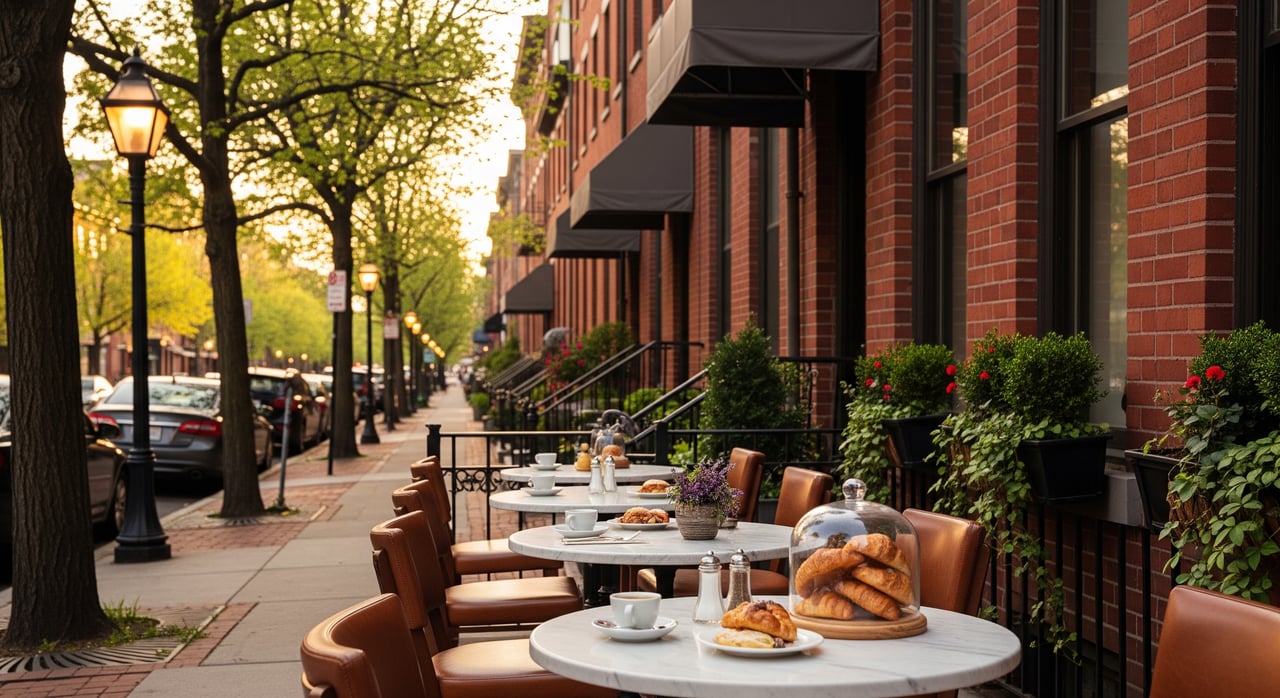
Dormont’s cafés and bakeries set the tone for the day. Many open early enough for commuters and remote workers. Seating and Wi‑Fi are common, and mid-mornings can be quieter if you prefer a focused work window. Outdoor tables appear seasonally along the corridor, which adds to the street energy.
Midday errands close to home
By late morning, storefronts along West Liberty and Potomac are in full swing. You can walk to salons, dry cleaners, small markets, dental and medical offices, and boutique fitness. If you need a larger grocery run, full-size supermarkets are a short drive or transit ride away. For grab-and-go, you will see plenty of takeout options that suit busy schedules.
Dinner, dessert, and a casual night out
Weeknights and weekends bring steady energy across the dining scene. Expect family-owned restaurants, pizza by the slice, diners, and contemporary pub-style menus. Dessert shops and late-afternoon coffee windows keep things moving, while neighborhood bars support a low-key nightlife. Most activity wraps by late evening, which keeps the area relaxed.
Transit, parking, and getting around
On foot and by bike
Dormont’s commercial corridors are compact and lined with sidewalks, which makes short trips easy. The terrain includes moderate hills, and you will see bike racks near several storefronts. If biking is part of your routine, consider a lock-and-shop plan and confirm rack locations as you get to know your go-to spots.
Light-rail and buses
Dormont is served by the region’s transit network, including local buses and nearby light-rail stations operated by the regional transit agency. That gives you flexible options for commuting or heading downtown for a show or game. Many residents blend transit with short car trips for errands.
Parking tips
On-street parking lines much of West Liberty and Potomac. You will also find small municipal lots in and around the corridors. Parking dynamics vary by block and time, so plan a few extra minutes on busy weekend evenings. If you make reservations for dinner, ask about nearby parking and the best arrival window.
Community events and small-business culture
Festivals and markets
Seasonal street festivals, night markets, and farmers markets often bring neighbors together on evenings and weekends. These events showcase local restaurants, pop-up vendors, and live entertainment. They add energy to the corridors and can be a great way to sample multiple spots in one outing.
Local support and Main Street efforts
Dormont benefits from active small-business support through local organizations that promote storefront improvements, events, and marketing for merchants. Borough processes and occasional incentives can help with façade updates and pop-up concepts. This ecosystem keeps the corridor fresh while supporting long-standing favorites.
What’s new and what lasts
You will notice growth in independent coffee and specialty food options alongside time-tested eateries. Many businesses added or kept outdoor seating after 2020, which adds flexibility and street life in warmer months. The result is a mix of continuity and change that suits both routine stop-ins and weekend exploring.
Quick-reference checklists
A 20-minute walking loop
- Start on Potomac Avenue for coffee and a bite.
- Head toward West Liberty Avenue for boutiques and services.
- Pick a dinner spot along West Liberty for a sit-down meal or takeout.
- Wrap up with a dessert or a low-key drink before heading home.
Hours and tempo at a glance
- Weekday mornings: cafés and breakfast counters are busiest.
- Midday: services, salons, and markets run steady traffic.
- Evenings: restaurants and bars peak from about 5 to 9 pm.
- Late night: quieter than city core neighborhoods.
Grocery and essentials
- Small markets and convenience stores sit along the main corridors.
- Full-service supermarkets are a short drive or transit ride away.
- Specialty food shops complement regular grocery runs.
Tips for new residents
Make the most of walkability
Pick a few anchor locations that fit your routine, like a preferred coffee shop, a go-to takeout counter, and a trusted salon or barber. Build your personal map around those spots, then add in fitness studios or boutiques that match your interests.
Follow local calendars
Event schedules can change seasonally. Check borough or Main Street channels so you do not miss street festivals, night markets, or holiday strolls. On event days, expect more foot traffic and plan parking accordingly.
Keep tabs on hours
Independent businesses can adjust hours throughout the year. A quick call or a glance at a recent post can save you a trip. If outdoor seating matters to you, ask whether a patio is seasonal or year-round.
How this fits your home search
Dormont offers a neighborhood rhythm that many buyers want in the South Hills. You get compact, walkable corridors for daily convenience, plus regional transit and a straightforward drive to downtown. If you are weighing Dormont against nearby suburbs, consider how often you like to walk for coffee, dinner, and errands. That habit can shape where you feel most at home.
If you are exploring homes near West Liberty or Potomac, or comparing Dormont with Mt. Lebanon, Brookline, or other South Hills communities, it helps to have a local guide who knows the blocks and the market. For tailored advice, listings, and a smooth plan from tour to close, reach out to Wendy Weaver.
FAQs
Is Dormont walkable for daily life?
- Yes. The main corridors are compact with sidewalks and storefronts close together, which makes coffee runs, dining, and errands easy on foot.
How far is Dormont from downtown Pittsburgh?
- About 5 to 7 miles depending on your route, with options to drive, take local buses, or use nearby light-rail stations.
What is Dormont’s nightlife like?
- It is neighborhood-focused, with casual bars and restaurants that are liveliest in the early evening. Late-night options are limited compared with city-center districts.
Where do residents shop for groceries?
- Small markets and convenience stores sit on the main strips for quick trips, while full-service supermarkets are a short drive or transit ride away.
Is parking difficult on West Liberty or Potomac?
- It varies by time and block. On-street spaces and small municipal lots are available, but weekend evenings can be busier, so arrive a few minutes early.
Are there options for outdoor seating?
- Many businesses offer seasonal outdoor tables, and some kept patio seating after 2020. Ask individual spots for current setups and hours.