Thinking about buying your first home in Dormont? You probably want walkable streets, an easy commute into Downtown, and a price that makes sense for your budget. This guide gives you a clear plan: what homes cost, how to finance your purchase, what to inspect in older houses, and how to use Dormont’s transit and amenities to your advantage. You will leave with a step-by-step checklist tailored to Dormont and resources you can use right away. Let’s dive in.
Why Dormont works for first-time buyers
Walkability and transit
Dormont’s main corridors around West Liberty Avenue and Potomac Avenue are easy to navigate on foot, with Walk Score examples in the 80s that are labeled Very Walkable. Check a sample address to get a feel for the area’s pedestrian access using this Walk Score example on West Liberty Avenue. For commuting, the borough is served by Pittsburgh’s light-rail Red Line, with Dormont Junction offering direct service to Downtown. You can review the route context on the Red Line overview.
Housing character and feel
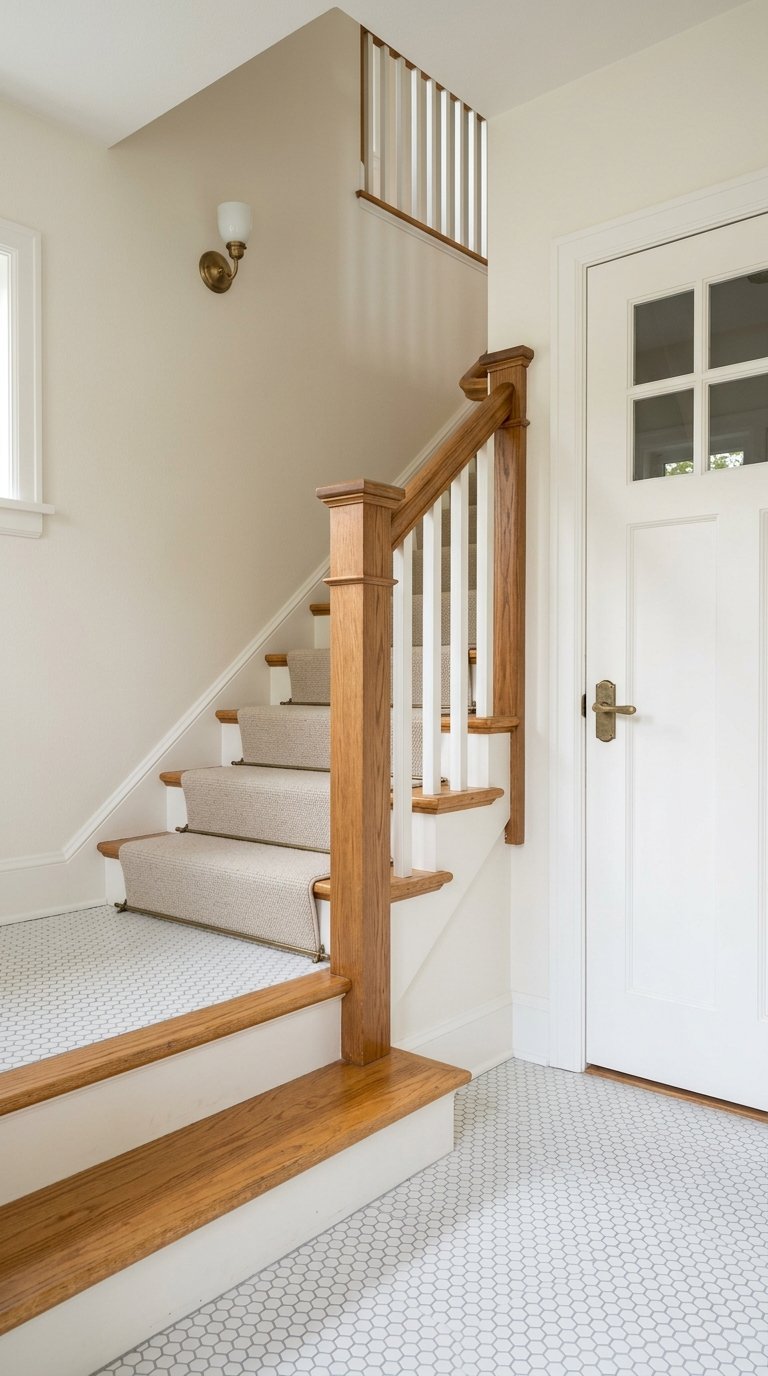
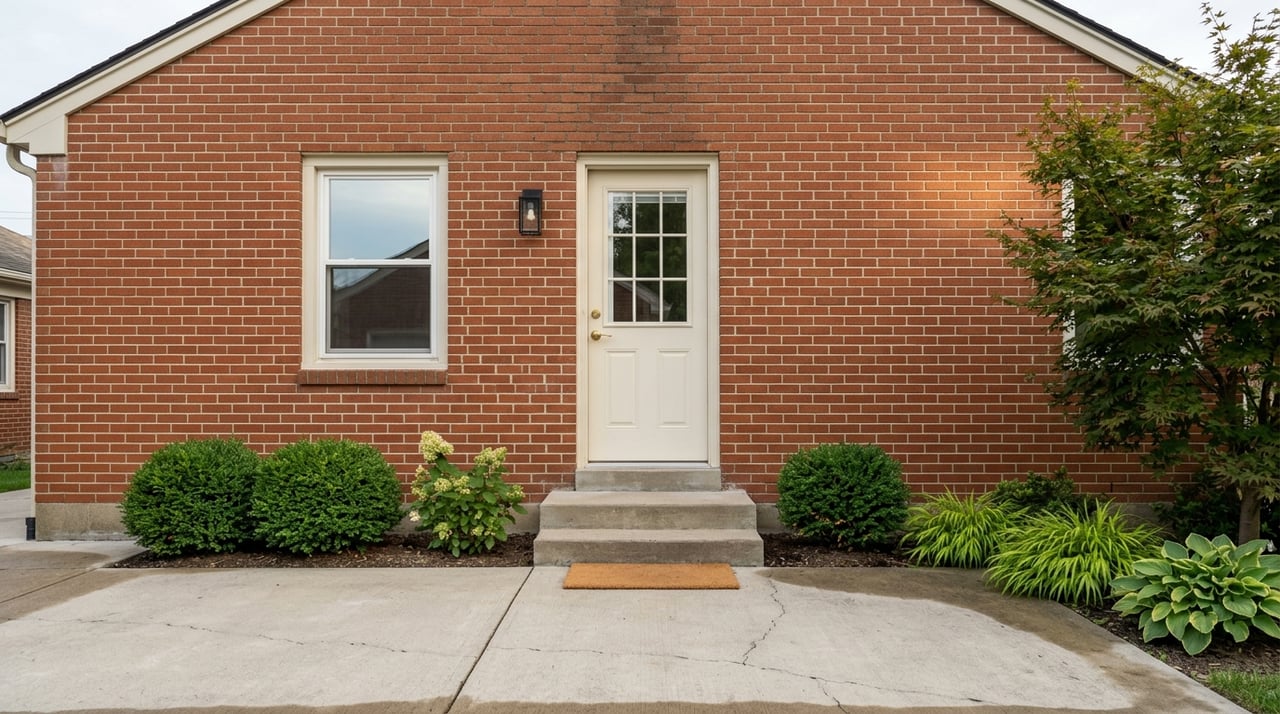
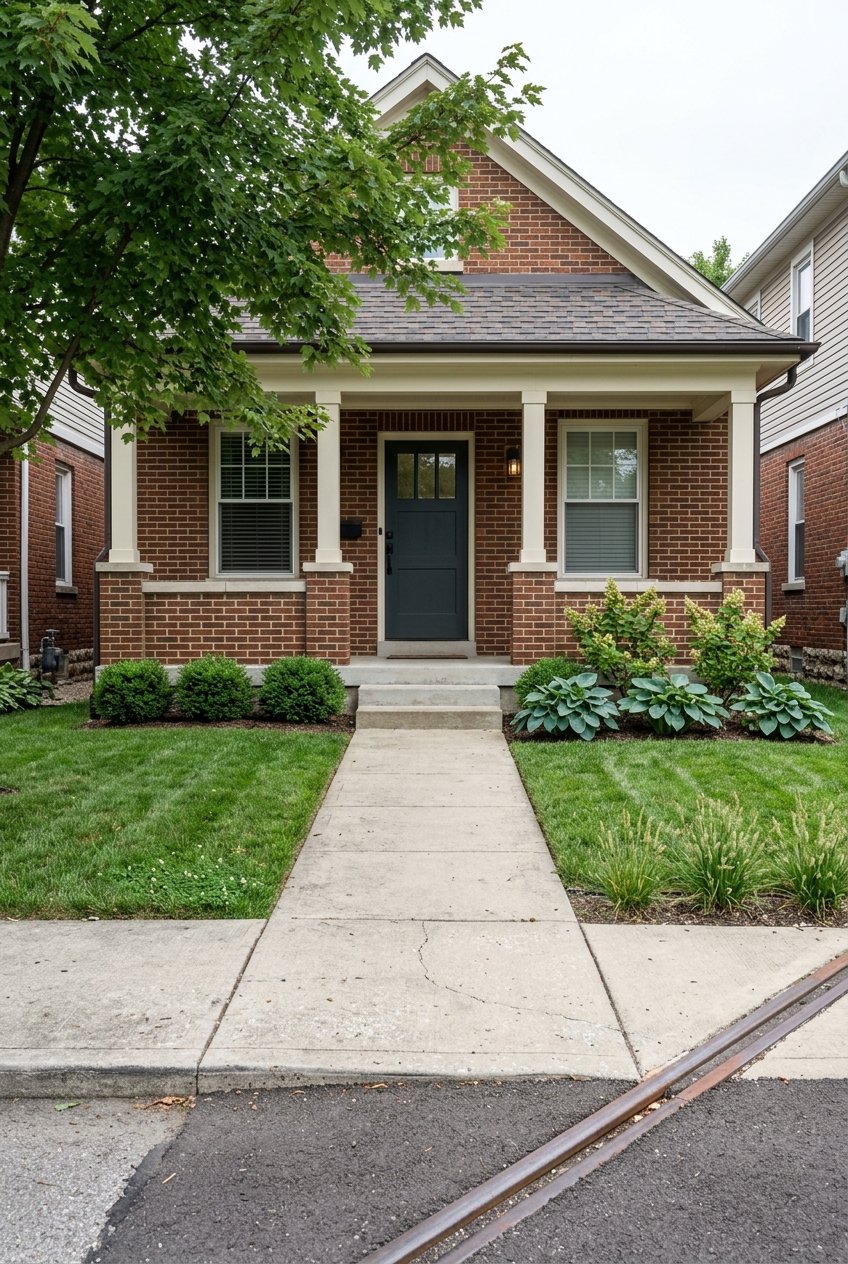
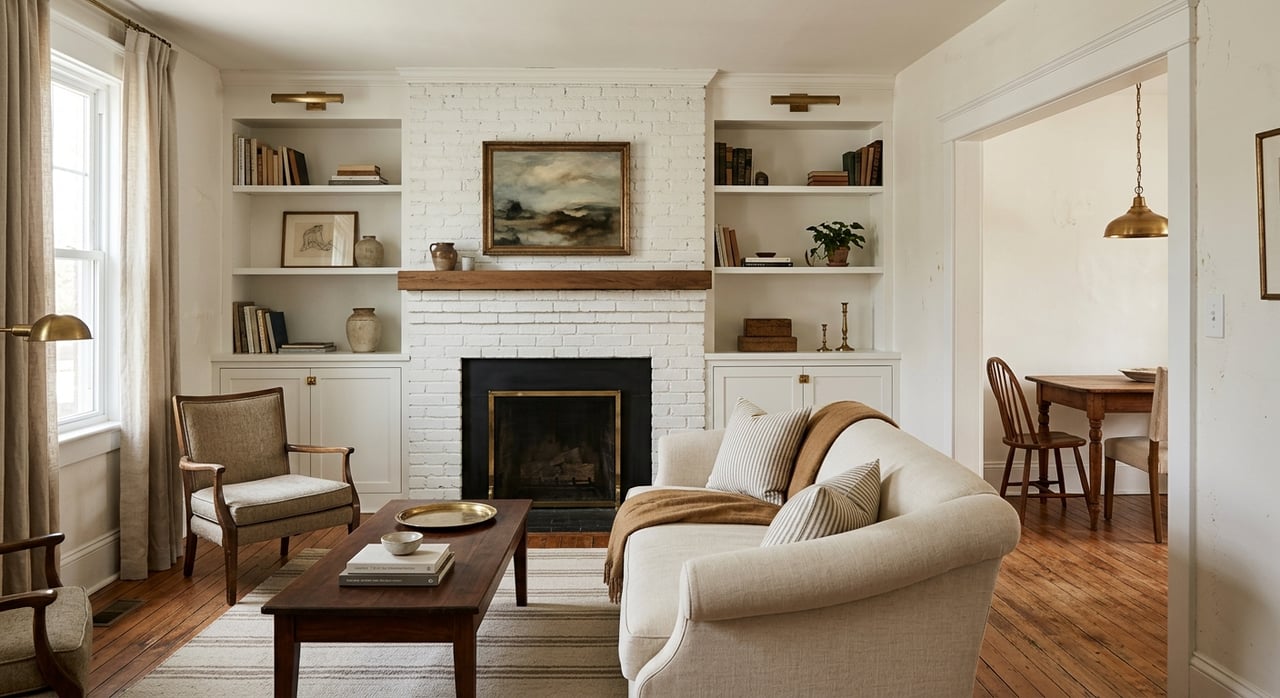
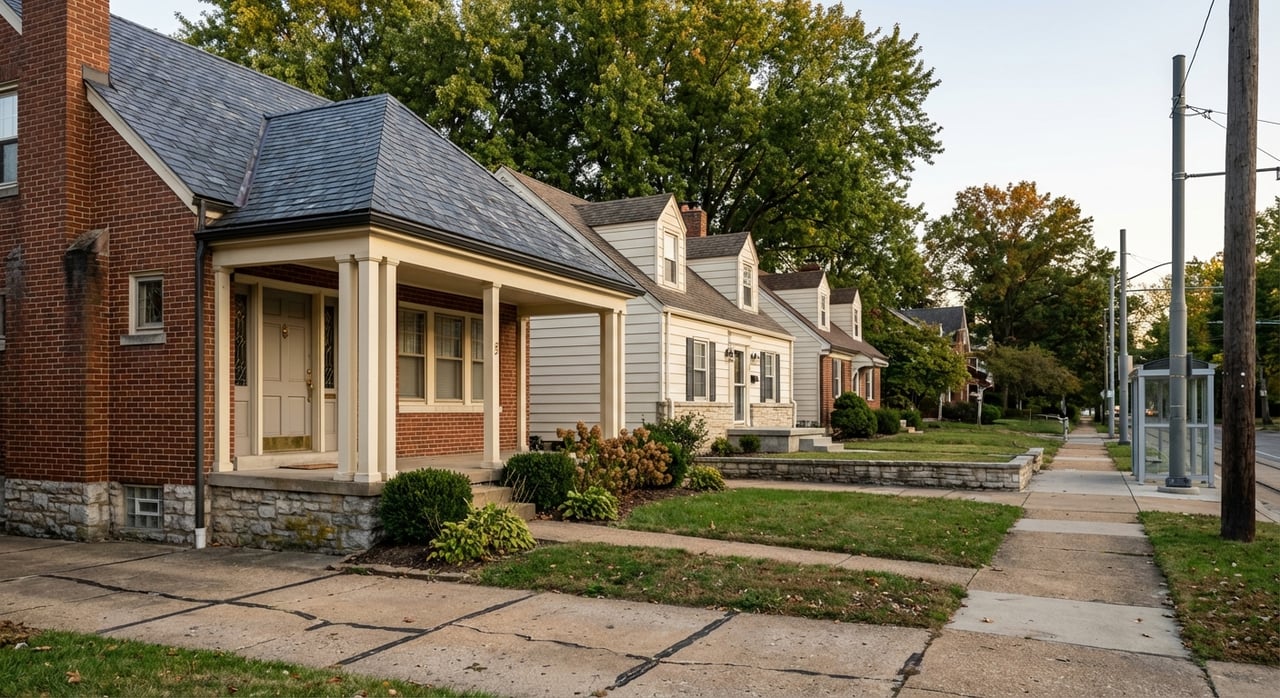
Many Dormont homes date to the early to mid 1900s, which gives the borough its classic, older-suburb charm. You will see Tudors, Colonials, American Foursquares, and twins on smaller lots, often on gently hilly streets. That mix typically means walkable blocks, front porches, and established neighborhood patterns. Entry-level buyers often focus on updated twins and three-bedroom single-family homes.
Schools and local amenities
Dormont is served by the Keystone Oaks School District, which includes Dormont Elementary as well as Keystone Oaks Middle and High Schools. The borough also offers everyday convenience and recreation, from parks and the seasonal pool to coffee shops and services along West Liberty and Potomac. Explore programs, permits, and events on the Borough of Dormont’s official site.
What homes cost and how to budget
Dormont’s recent median sale price has been about $275,000 as of early 2026. Prices shift month to month, so plan with a range and confirm with your lender and agent before you shop. A few quick examples at a $275,000 price point help you turn percentages into real numbers.
- 3.5 percent down: about $9,625
- 5 percent down: $13,750
- 10 percent down: $27,500
- 20 percent down: $55,000
Beyond the down payment, plan for closing costs. According to Bankrate’s guidance on closing costs, buyers typically pay around 2 to 5 percent of the purchase price in fees. For a $275,000 home, that is roughly $5,500 to $13,750. Budget for inspections, a radon test, a sewer scope if warranted, appraisal, prepaid insurance and taxes, and a small maintenance reserve for year one.
Financing options for first-time buyers
Most first-time buyers use one of a few loan types. FHA loans have historically allowed low down payments for eligible borrowers. Some conventional first-time buyer programs can go as low as 3 percent down with qualifying credit and income. VA and USDA loans may offer 0 percent down for eligible buyers and properties. Lender and program rules vary, so a strong first step is getting a full preapproval and discussing which options fit your situation.
Down-payment assistance in Pennsylvania
The Pennsylvania Housing Finance Agency (PHFA) offers programs that can reduce the cash you need to close. The PHFA assistance page outlines several options that can be paired with a PHFA first mortgage. The Keystone Advantage Assistance Loan, for example, can provide up to 4 percent of the purchase price or $6,000, whichever is less, for down payment and closing costs. PHFA also lists HOMEstead and K-FIT options with their own rules. Always confirm current eligibility, amounts, and funding with your lender and PHFA before you count them into your plan.
Why preapproval comes first
A full preapproval helps you understand your exact price range, down-payment requirement, and total monthly payment before you start touring. Ask lenders whether they offer PHFA products and how those would work with your chosen loan type. With a preapproval letter in hand, you can move fast when the right Dormont home hits the market.
Older homes, smarter inspections
Dormont’s charm comes with older-home realities. InterNACHI highlights predictable items in older buildings, including lead-based paint in pre-1978 homes, possible asbestos in older insulation, obsolete electrical like knob-and-tube or aluminum wiring, aging plumbing materials, and drafty windows or limited insulation. Review the InterNACHI guide to older-home defects to understand what inspectors often flag and why it matters for safety, budgeting, and insurance.
Radon in Pennsylvania
Pennsylvania has many areas with elevated radon potential. The EPA recommends testing every home because levels can vary house to house. Add a radon test to your inspection period and plan to mitigate if the result is 4.0 pCi/L or higher. Learn more from the EPA’s radon overview and map.
Your inspection checklist
- General home inspection by a licensed inspector
- Radon test
- Sewer or septic camera scope when appropriate
- Electrical safety review focused on knob-and-tube or aluminum wiring
- Plumbing review for galvanized pipes, lead service lines, or cast-iron drains
- Roof, chimney, porch, and foundation check
- Pest or wood-destroying organism inspection when needed
- Lead paint and environmental testing for homes built before 1978
How to use inspection findings
Your inspection results give you options. You can request repairs, negotiate a seller credit, adjust the price, or cancel within the contingency period. Some items, like active knob-and-tube wiring or major structural issues, can affect mortgage underwriting or insurance. If your inspector suspects a significant defect, talk with your lender and consider a specialist, such as an electrician or structural engineer, early.
Commute and lifestyle tradeoffs
Living near Dormont Junction on the Red Line can make a car-optional commute to Downtown realistic for many buyers. You may trade a larger yard or brand-new construction for a shorter commute and walkable daily errands. For many first-time buyers, that means a better quality of life and a stronger resale story. If you anticipate frequent trips into the city, put proximity to a Red Line stop high on your search priorities.
Your Dormont first-time buyer checklist
- Get fully preapproved. Use your target price band, for example around $275,000, and ask lenders whether they offer PHFA first mortgages and assistance products. You can explore options directly on the PHFA assistance page.
- Set your priorities. Consider commute via the Red Line, walkability around West Liberty and Potomac, yard size, and schools in the Keystone Oaks School District.
- Build a full budget. Add your down payment plus 2 to 5 percent for closing costs as noted by Bankrate. Include inspection costs, appraisal, prepaid taxes and insurance, and a first-year maintenance reserve.
- Hire a local agent. A South Hills agent who knows Dormont can spot the best walkable locations, flag older-home issues early, and help you write a competitive offer.
- Schedule inspections fast. Order the general inspection, radon test, and any recommended specialist checks right after you go under contract. Use contingency timelines to negotiate needed repairs or credits.
- Leverage assistance programs. If you qualify, PHFA’s Keystone Advantage or other options can reduce the cash needed to close. Confirm credit, income, and property eligibility with your lender and PHFA.
- Check taxes and borough details. Look up assessed value and historical taxes through Allegheny County’s property records portal. Review permits, parking, trash schedules, and park or pool details on the Borough of Dormont site.
- Final walk-through and move-in. Confirm agreed repairs, collect keys, and plan any deferred work. Keep a short-term reserve for older-home maintenance in year one.
Property taxes and borough info you will use
Property taxes vary by parcel. Before you commit, pull the tax history and current assessed value for the specific address using Allegheny County’s property search portal. If you have questions about permits, on-street parking, or recreational facilities like the pool or parks, review the borough’s pages at the Borough of Dormont.
Ready to start your Dormont search?
Buying your first home is a big step, and you do not have to figure it out alone. With deep South Hills expertise, local school-district knowledge, and a calm, client-first approach, Wendy will help you zero in on the right streets, budget smart, and navigate older-home details with confidence. If Dormont is on your list, reach out to Wendy Weaver to plan your first tour and get prepped to win.
FAQs
How much cash do I need to buy a $275,000 Dormont home?
- Plan for a down payment such as 3.5 percent ($9,625) or 5 percent ($13,750) plus 2 to 5 percent in closing costs, then add inspection and initial maintenance funds.
Is Dormont walkable if I do not want to drive daily?
- Yes, many addresses near West Liberty and Potomac are Very Walkable and the Red Line at Dormont Junction provides direct rail access to Downtown for a car-light lifestyle.
Which inspections matter most for older Dormont homes?
- Always get a general inspection, radon test, and, when relevant, a sewer scope and checks for older electrical or plumbing as outlined by InterNACHI’s guidance.
Can I combine PHFA assistance with my mortgage?
- Many buyers pair PHFA assistance, like Keystone Advantage, with a PHFA first mortgage, subject to program and lender eligibility; confirm details with your lender and PHFA.
How do I check property taxes for a specific Dormont address?
- Search the parcel on Allegheny County’s property records portal to view the assessed value and past tax bills before you finalize your budget.
What commute options do I have from Dormont to Downtown?
- The Red Line’s Dormont Junction offers direct light-rail service to Downtown, and many buyers choose homes within walking distance of the station for easier daily travel.