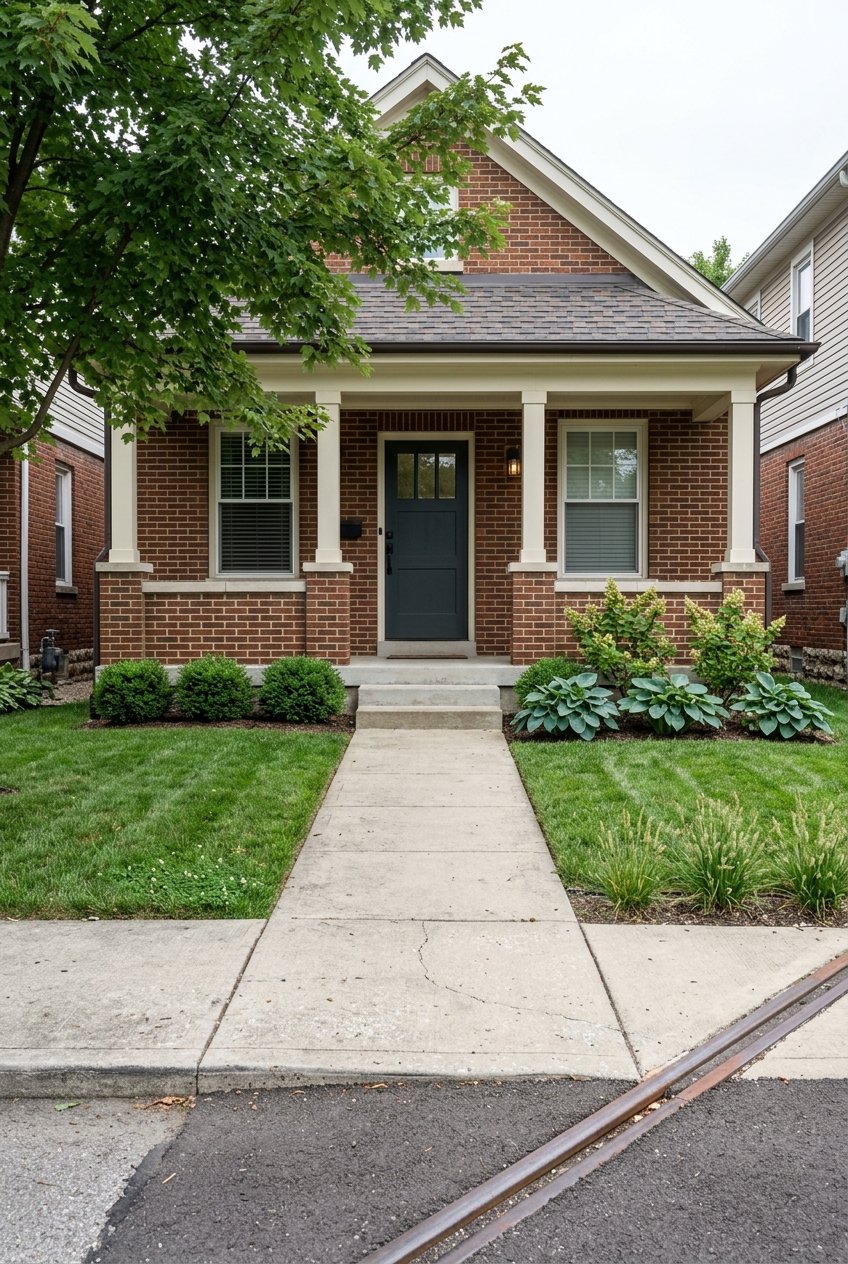
Thinking about turning your Dormont home into a rental? It can be a smart next step, but the early details matter more than many first-time landlords expect. If you want to avoid delays, protect your property, and start on solid footing, it helps to know what Dormont requires before you list the home or hand over keys. Let’s walk through the first steps.
Start With Dormont Registration
If you rent out residential property in Dormont, the borough requires you to certify owner and tenant information every year by January 31. That filing includes names, mailing addresses, phone numbers, and a 24-hour contact number. If you use a manager or agent, the borough also asks for that contact information.
If tenant occupancy changes during the year, you must provide the new tenant information to the borough within 15 days. The current 2026 application shows a fee of $10 per occupied or vacant unit when filed by January 31, and $20 per unit after that date. The borough code also states that failure to certify can lead to penalties and possible liability for unpaid borough services.
For many owners, this is the first box to check because it sets the baseline for compliance. Even if your property is only going to be rented for the first time, you should treat registration as part of your setup process, not an afterthought.
Confirm the Right Use-and-Occupancy Path
Before you advertise the home or promise a move-in date, confirm what type of use-and-occupancy approval your property needs. Dormont’s current paperwork includes categories for a change of use and occupancy, modifying an existing use or tenant, and overnight lodging or Airbnb.
The borough’s occupancy checklist for two- and multi-family properties says an occupancy inspection is required when occupancy changes or when there is a change from one owner or tenant to another. Approval is tied to compliance with life-safety and property-maintenance standards. That makes this one of the most important early steps in the process.
If you are planning updates before renting, keep in mind that change-of-use and occupancy renovations or alterations must comply with applicable building codes. When required, plans must be stamped by a licensed design professional. A quick confirmation with the borough before listing can help you avoid a last-minute scramble.
Prepare the Home for Inspection
A clean, safe, and code-ready property is essential if you want a smoother start with new tenants. Dormont’s occupancy checklist gives you a practical guide for what to review before a tenant moves in.
Here are some of the items the borough calls out:
- Smoke alarms on each level
- Smoke alarms in every sleeping room
- Smoke alarms outside each sleeping area
- Carbon monoxide alarms near bedrooms
- Carbon monoxide alarms near fuel-burning appliances or fireplaces
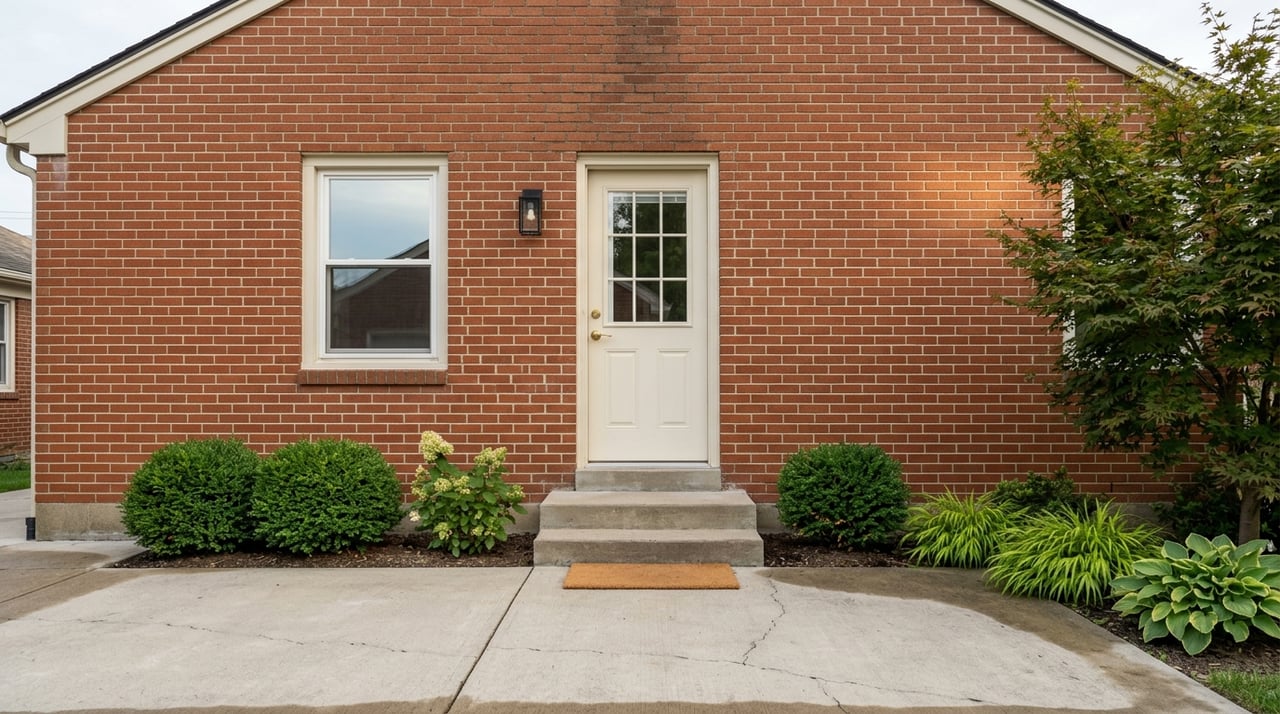
- Clean and sanitary exterior areas
- Grass cut when growth exceeds 8 inches
- Durable trash and recycling containers
- Doors and windows in good repair
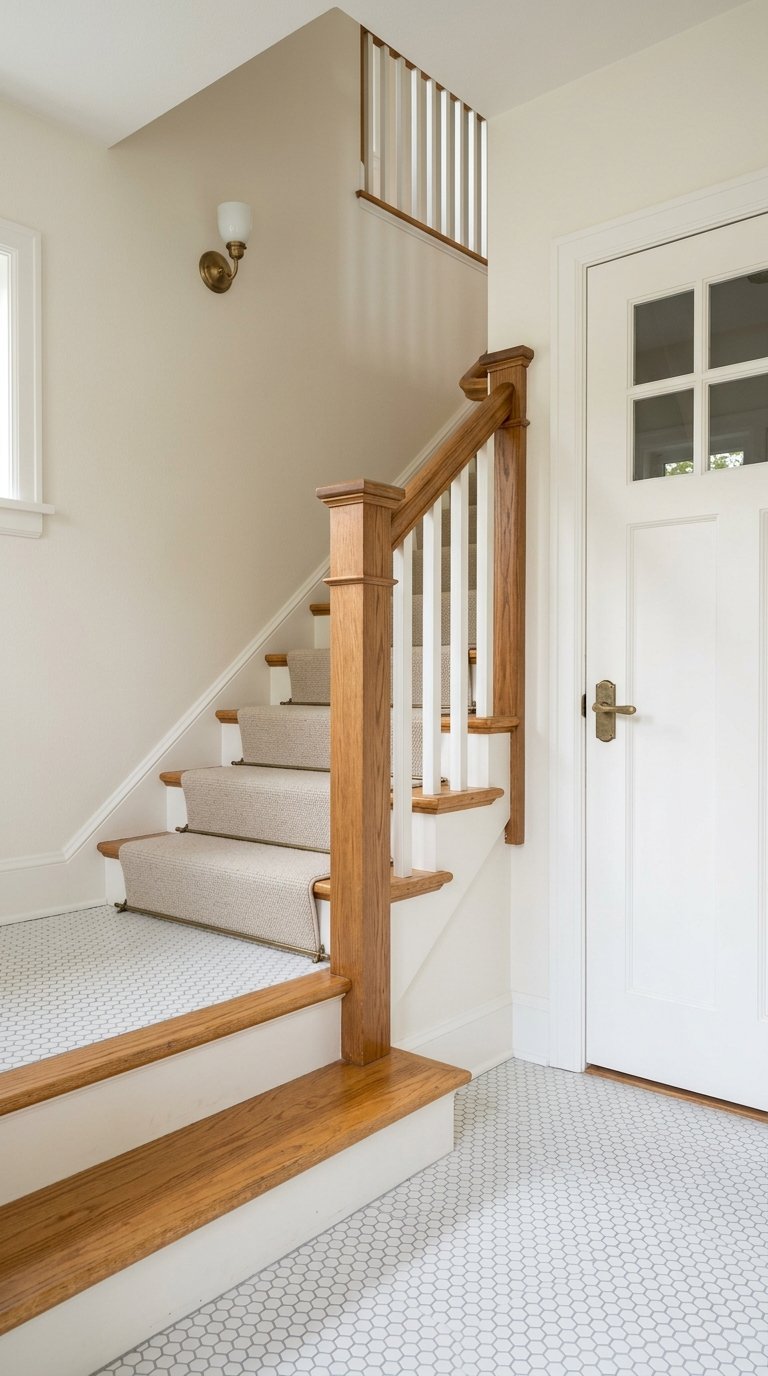
- Locks, stairs, handrails, and guards maintained properly
This stage is also the right time to handle small repairs that can become big problems later. If a stair rail is loose or a lock does not work well, fixing it before move-in is easier than dealing with it after a tenant has settled in.
Build Your Lease Terms Early
Once the borough side is clear, the next step is to set lease terms before you begin accepting applications. Pennsylvania’s Attorney General advises that a lease should clearly state the rent amount, due date, payment method, late penalties, and whether rent can change during the lease term.
In general, lease terms do not change until renewal unless both parties agree in writing. Clear lease language can prevent confusion and help you manage expectations from day one. If you are a first-time landlord, this is one of the easiest ways to create a smoother rental experience.
A strong lease should answer practical questions before they become problems. Think through how rent will be paid, when it is due, how late fees will work, and what written expectations you want in place at the start.
Understand Pennsylvania Security Deposit Rules
Security deposit rules are another area where it pays to be precise. Under Pennsylvania law, a security deposit can be up to two months’ rent during the first year and one month’s rent at the start of the second year.
For deposits over $100 in the third year, the funds require special interest-bearing treatment. After move-out, you must either return the deposit or send an itemized list of damages within 30 days. Keeping good records from the beginning can make this much easier later.
Move-in documentation matters here. Photos, written condition notes, and a clear record of the home’s condition at possession can help support fair and accurate deposit accounting at the end of the lease.
Create a Consistent Screening Process
Tenant screening should be thoughtful, written, and applied the same way to every applicant. This helps you stay organized and supports fair, consistent decision-making.
If you use background or credit reports, the Federal Trade Commission says those reports are consumer reports under the Fair Credit Reporting Act. That means you need a proper purpose to obtain them, and if you deny an application, require a co-signer, or change rent or deposit terms because of information in the report, you must provide the required adverse-action notice.
Dormont also has a local nondiscrimination ordinance and Human Relations Commission. Along with federal fair housing rules, that means your screening standards should be neutral, written in advance, and used consistently for every applicant.
A practical screening policy might cover:
- Income documentation requirements
- Credit or background review process
- Rental history verification
- Occupancy standards applied consistently
- Application steps and timelines
The key is consistency. Decide on your criteria before applications come in, then follow the same process for everyone.
Document Move-In Condition
After approvals, repairs, lease prep, and screening, one final early step can save you trouble later: document the property condition before move-in. This is a simple habit, but it can protect both you and your tenant.
Create a move-in record with dated photos and written notes on major rooms, appliances, walls, flooring, doors, windows, and exterior areas. If questions come up at move-out, you will have a clear baseline. Good documentation also supports more accurate handling of the security deposit.
Why Dormont Can Appeal to Renters
Dormont is a compact borough about 7 miles south of Pittsburgh with practical appeal for renters who want convenience and access. The borough is served by the Red Line and two bus routes, with three local stations, which supports a commuter-friendly lifestyle.
The July 1, 2025 population estimate was 7,816, and Census QuickFacts lists an owner-occupied housing unit rate of 61.5 percent and a median gross rent of $1,106. The mean commute time is 25.9 minutes. Together, those numbers suggest a market with a meaningful renter segment and steady appeal for households looking for transit access and proximity to the city.
That does not guarantee a fit for every property, but it does help explain why well-prepared rentals in Dormont can attract attention. If you present the home well and stay organized on the front end, you put yourself in a much stronger position.
A Simple First-Step Plan
If you want to keep the process manageable, follow this order:
- Verify Dormont’s annual registration requirements.
- Confirm the correct use-and-occupancy permit path.
- Complete safety, maintenance, and code-related repairs.
- Set your lease terms and security deposit structure.
- Create written screening criteria before accepting applications.
- Document the property condition before move-in.
This sequence can help you avoid common delays and reduce stress. It also gives you a cleaner handoff from preparation to marketing and tenant placement.
If you are weighing whether to rent out your Dormont home, or you want help with rental placement and next-step planning in the South Hills, Wendy Weaver can help you move forward with clear local guidance.
FAQs
What does Dormont require before renting out a home?
- Dormont requires annual certification of owner and tenant information by January 31, and many properties will also need the proper use-and-occupancy approval when occupancy changes.
What should a Dormont landlord check before a tenant moves in?
- You should review smoke alarms, carbon monoxide alarms, locks, doors, windows, stairs, handrails, exterior cleanliness, grass height, and trash and recycling containers, along with any other life-safety or maintenance items tied to occupancy approval.
What should a Pennsylvania lease include for a rental home?
- A lease should clearly state the rent amount, due date, payment method, late penalties, and whether rent can change during the lease term.
What are the Pennsylvania security deposit rules for landlords?
- Pennsylvania limits a security deposit to two months’ rent during the first year, one month at the start of the second year, and requires special handling for certain deposits over $100 in the third year, with return or itemized damages due within 30 days after move-out.
How should you screen tenants for a Dormont rental property?
- You should use written, neutral screening criteria and apply them consistently to every applicant, especially if you use credit or background reports as part of the review process.