Looking for a close-in Pittsburgh suburb where you can park the car and still reach Downtown with ease? If you want a compact, walkable community with a true main street feel, Dormont deserves a spot on your list. You will find transit access, neighborhood parks, and everyday services within reach of many homes. This guide walks you through daily life in Dormont so you can picture your routine and plan your move with confidence. Let’s dive in.
Why Dormont appeals
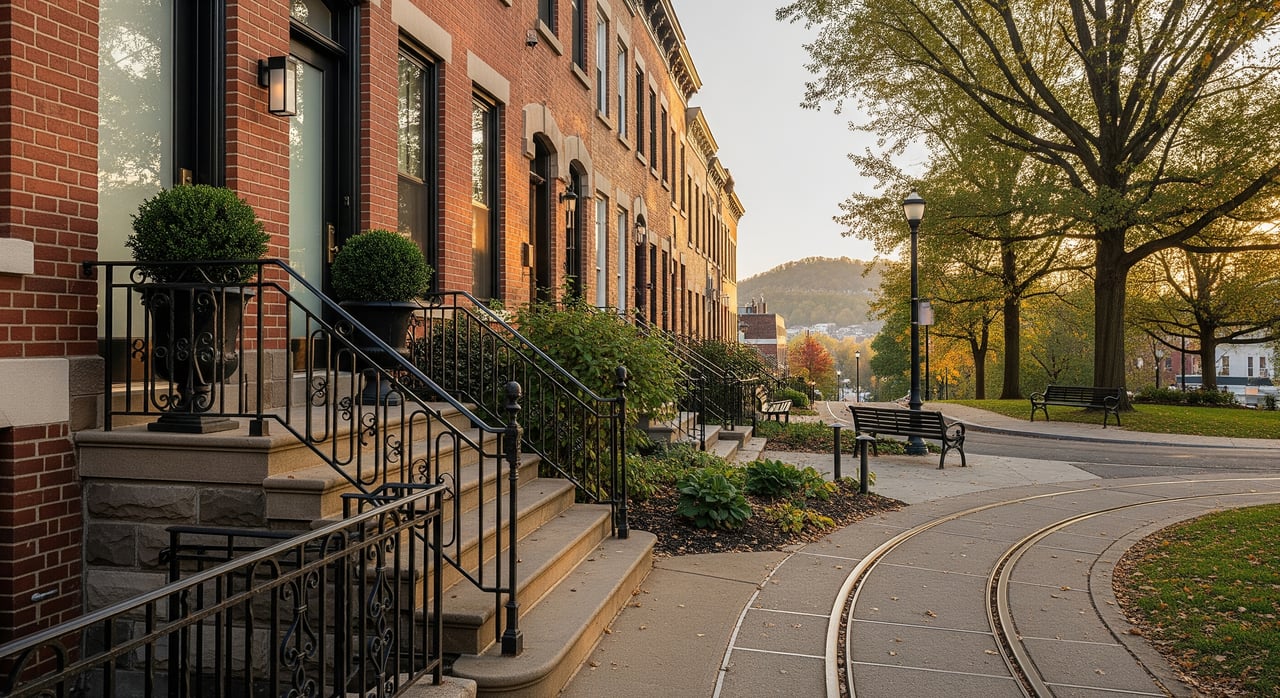
Dormont sits just south of Downtown Pittsburgh in the South Hills, and it feels like a classic small borough. Streets are lined with early 20th-century homes, sidewalks, and short blocks that make it easy to run quick errands. Many residents choose Dormont for its balance of convenience and neighborhood charm.
You get a main business corridor with local restaurants, coffee shops, and services, plus a variety of parks and recreation programs. For many, the ability to ride the light rail to Downtown during the week and walk to dinner on the weekend is a key draw. If you value a low-commute lifestyle and a connected community, Dormont checks those boxes.
Getting around
Dormont’s location and options make day-to-day travel straightforward. Whether you commute or just like having choices, you can pick what fits your schedule.
Light rail T access
Dormont is served by Pittsburgh Regional Transit’s light rail network, known locally as the T. Dormont Junction is the stop most closely associated with the borough, and many homes sit within a short walk of a station. The T offers direct access toward Downtown Pittsburgh and other South Hills neighborhoods.
If you prefer to avoid rush-hour driving, the T is a practical solution. Check current schedules, fares, and any service updates before your commute. Riders often use the T not only for workdays but also for trips to events, games, and dining in the city.
Bus connections
Multiple local bus routes pass through or near Dormont, linking you to areas not on the light rail and to nearby suburbs such as Mt. Lebanon and Brookline. Buses are helpful for last-mile connections to schools, shopping strips, and medical offices. If your destination sits off the rail line, a bus may be your most direct option.
Driving and parking
Driving to Downtown is a short hop by city standards, though travel times depend on the time of day. Dormont’s streets include both on-street parking and small commercial lots. In residential areas, many homeowners rely on on-street spaces or driveways. Borough permit rules may apply, especially for overnight or long-term street parking. Review local ordinances so you know where and when you can park.
Walking and biking
Dormont is generally walkable. The main business corridor puts shops, dining, and services within a short stroll for many residents. Hilly terrain is part of the South Hills character, which can affect bike routes and comfort level. Some streets are bikeable, but pace your route choices based on hills and your experience.
Parks and recreation
Dormont’s public spaces are active community hubs. You will find places to play, swim, and connect across seasons.
Dormont Park and pool
Dormont Park serves as the borough’s principal green space. It features playgrounds and a seasonal public pool that anchors summer recreation. Families use the park for weekday breaks, evenings outside, and youth sports. If swimming is part of your routine, check current pool dates, hours, and membership options before the season begins.
Leagues and programs
The borough maintains several smaller parks, athletic fields, and outdoor courts. Local leagues and youth programs make regular use of these facilities. You can expect a rotating calendar of activities from sports and lessons to community events. For rentals or permits, confirm rules and availability with the borough’s recreation team.
Nearby regional parks
When you want a longer hike or a larger event, you have easy access to parks and trails in neighboring municipalities and across Allegheny County. These destinations provide variety for weekend adventures while keeping travel time reasonable.
Daily conveniences
Dormont’s business districts deliver the everyday services you need. Many errands can be covered in a single loop.
West Liberty Avenue
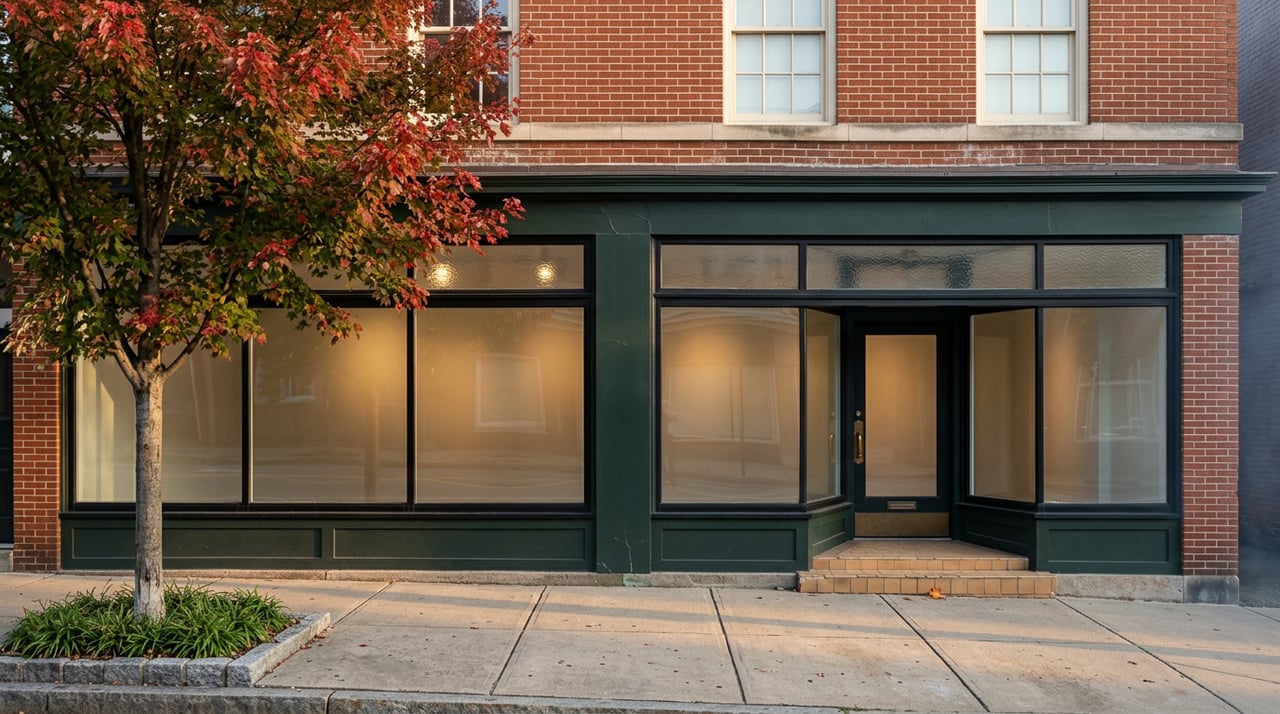
West Liberty Avenue functions as Dormont’s main commercial corridor. You will find a mix of locally owned restaurants, coffee shops, salons, and small retailers along with service providers such as barbers, accountants, and dental offices. The feel is street-level and approachable, which makes a quick coffee run or haircut simple to fit into your day.
Groceries and health care
Grocery shopping includes small neighborhood markets and specialty shops, with larger supermarkets a short drive away in nearby communities. Pharmacies and primary care options are available in or near the borough. For hospitals and specialty care, plan a short drive or transit ride into Pittsburgh. Map your preferred routes when comparing homes, especially if you want to rely on transit.
Schools and childcare
Dormont residents use local preschools, daycares, and K–12 schools. School district boundaries and assignments can be nuanced. Always confirm attendance zones and performance data directly with the local school district and the Pennsylvania Department of Education. After-school options and youth programs are typically available through community groups, the borough, and schools.
Banking and services
Financial institutions, insurance agents, legal and professional services, and real estate offices operate within Dormont or just beyond. You get access to daily banking, tax help, and professional advice without a long commute.
Housing and neighborhood feel
Dormont’s housing stock tells the story of a historic South Hills borough. You will see character details, established streetscapes, and a variety of home types.
Home styles and features
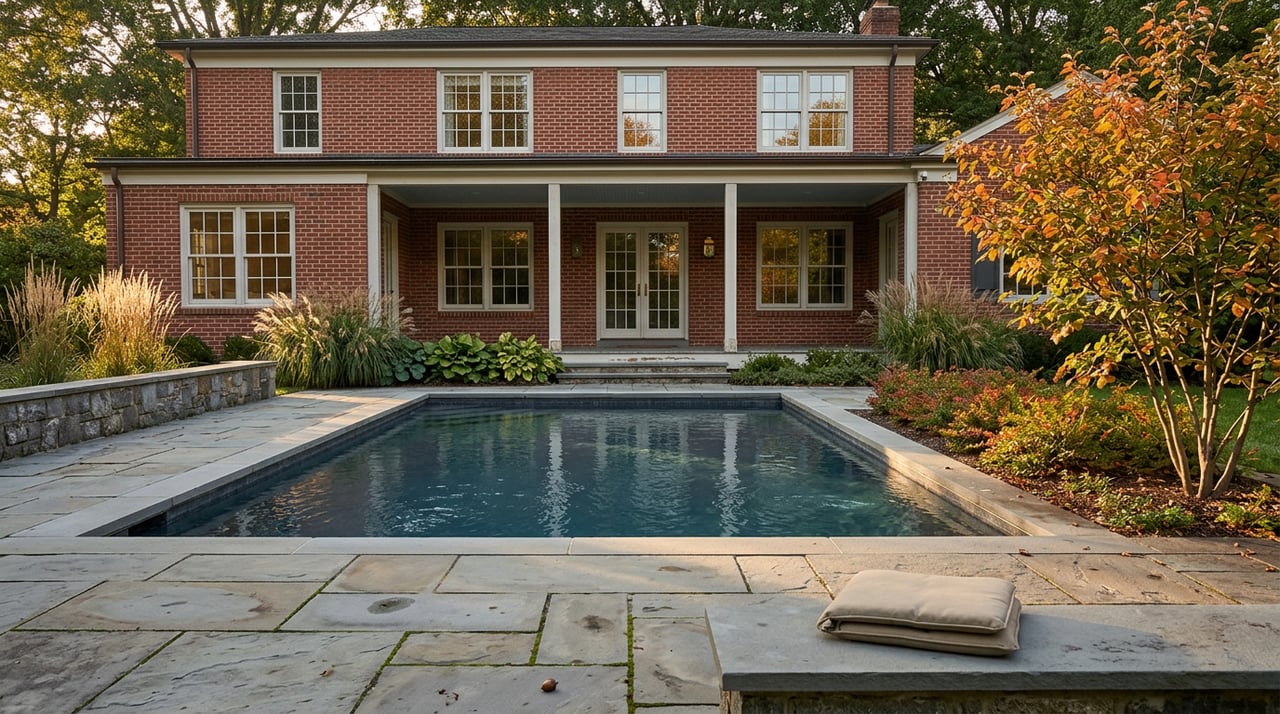
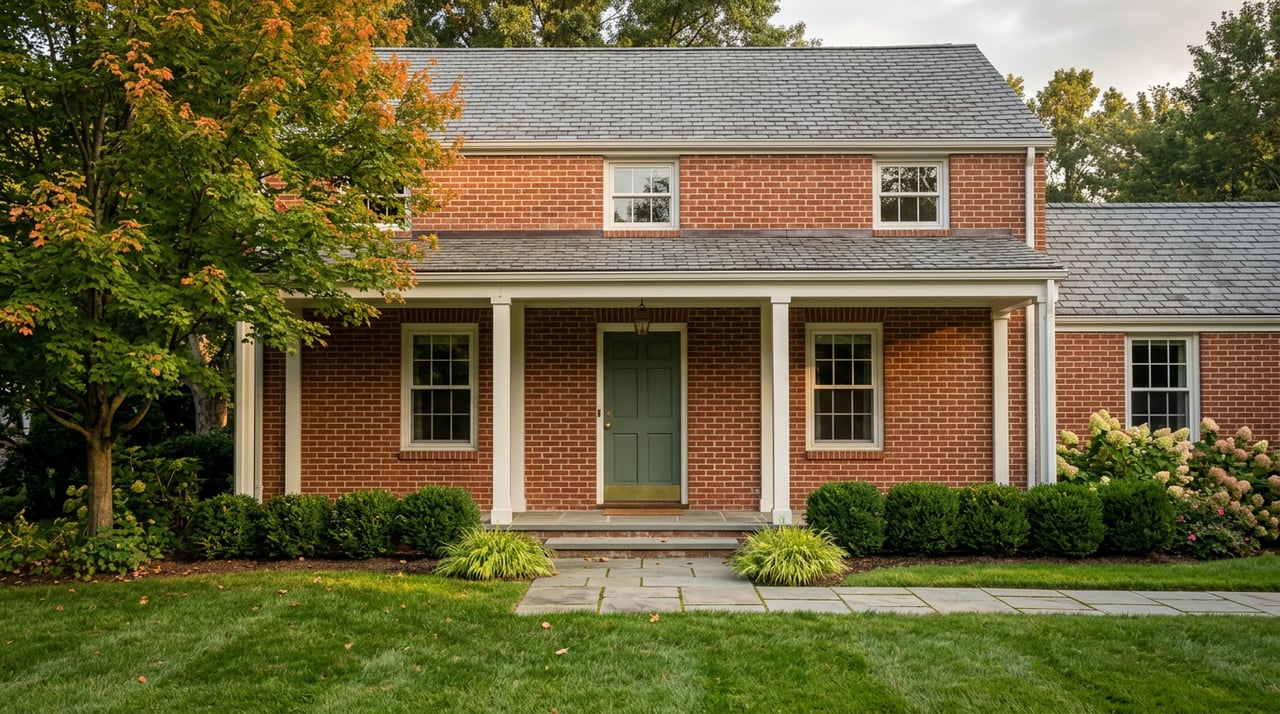
Most homes date to the early 20th century. Common types include single-family houses, twins, bungalows, rowhouses, and small apartment buildings. Many lots are modest, with manageable yards and sidewalks out front. Buyers often prioritize walkability, transit proximity, and quick access to Downtown.
Older homes come with charm and craftsmanship, and they may also need updates. Expect to evaluate electrical systems, HVAC, insulation, and windows during inspections. A pre-list preparation plan or buyer due diligence checklist can help you budget and plan improvements.
Costs, taxes, and utilities
Property taxes include borough, school, and earned income taxes that vary by property and year. Utility services for water, sewer, electric, and gas are handled by regional providers or the borough. Rates and service areas can differ by block. Insurance and maintenance costs for older homes may run higher than for newer construction. Build a cushion for ongoing upkeep when you plan your budget.
Municipal services
Dormont is an incorporated borough with local government, police, public works, and volunteer firefighting resources. You will interact with borough services for permits, trash and recycling, snow removal, and recreation programming. It is smart to review current rules for recycling, parking, and property maintenance before you move in.
Safety, walkability, and access
Dormont is often described as a walkable, close-in borough. For a balanced view, review current police statistics, community updates, and third-party indices. Sidewalks are common, but the hills and occasional stairways can affect accessibility. If mobility is a priority, test-walk routes from homes you are considering to transit and daily destinations.
Plan your move
Use this quick checklist to organize your Dormont move and get answers where it matters.
- Verify T stop locations, schedules, and fares for your typical commute.
- Check bus routes that serve your workplace, school, or favorite shops.
- Review borough parking and permit rules, including overnight policies.
- Confirm school district boundaries and enrollment steps for your address.
- Look up pool season dates, membership options, and park reservation rules.
- Price utilities and insurance based on the specific property.
- Map grocery, pharmacy, and healthcare stops near your target home.
Work with a local guide
Choosing the right home in Dormont is about more than square footage. It is about commute options, weekend routines, and a community that fits your lifestyle. A local expert can help you compare blocks, evaluate transit access, and plan updates that protect your budget.
If you are weighing Dormont alongside other South Hills communities, you do not have to decide alone. For personalized guidance, neighborhood tours, relocation support, or help coordinating a rental during your transition, connect with Wendy Weaver. Wendy pairs deep South Hills knowledge with full-service representation to make your move smoother and more confident.
FAQs
How long is the commute from Dormont to Downtown Pittsburgh?
- Commute times are generally short and convenient by light rail, bus, or car, but they vary by time of day and route; check current Pittsburgh Regional Transit schedules and live traffic.
Where do Dormont residents shop for groceries and essentials?
- Many daily needs can be met along West Liberty Avenue and nearby corridors, with larger supermarkets and shopping centers located a short drive away in adjacent neighborhoods.
Does Dormont have a public swimming pool?
- Yes. The pool at Dormont Park operates on a seasonal schedule; confirm current hours, fees, and membership details with the borough’s recreation department.
What should new residents know about parking in Dormont?
- On-street parking is common in residential areas, with meters or small lots in commercial zones; review borough ordinances for permit requirements and overnight rules.
What types of homes are common in Dormont?
- You will find early 20th-century single-family homes, twins, bungalows, rowhouses, and small apartment buildings, often on modest lots with sidewalks.
Is Dormont walkable for daily errands and dining?
- Yes. Dormont offers a compact, main-street business corridor with restaurants, shops, and services within a short walk for many residents; terrain is hilly, so routes can vary in effort.