Wondering where Mt. Lebanon real estate is heading next? You are not alone. Whether you are planning a move or just tracking your equity, it helps to understand how inventory, pricing, and timing work in this unique South Hills township. In this guide, you will learn what trends to watch, what they mean for you, and practical steps to get better results. Let’s dive in.
What drives demand
Mt. Lebanon draws steady buyer interest for a mix of reasons. The school district, neighborhood walkability, and nearby coffee shops, restaurants, and small businesses create a true town-center feel near Washington Road. Proximity to Pittsburgh and light-rail and roadway access make commuting manageable for many professionals. Parks, community programs, and local events add to the appeal, which supports consistent demand across market cycles.
Mortgage rates also matter. When rates ease, more buyers can act, which can shorten days on market and lift sale-to-list ratios. When rates rise, buyers become selective, especially at higher price points, and you may see longer market times or more negotiation.
Inventory patterns to watch
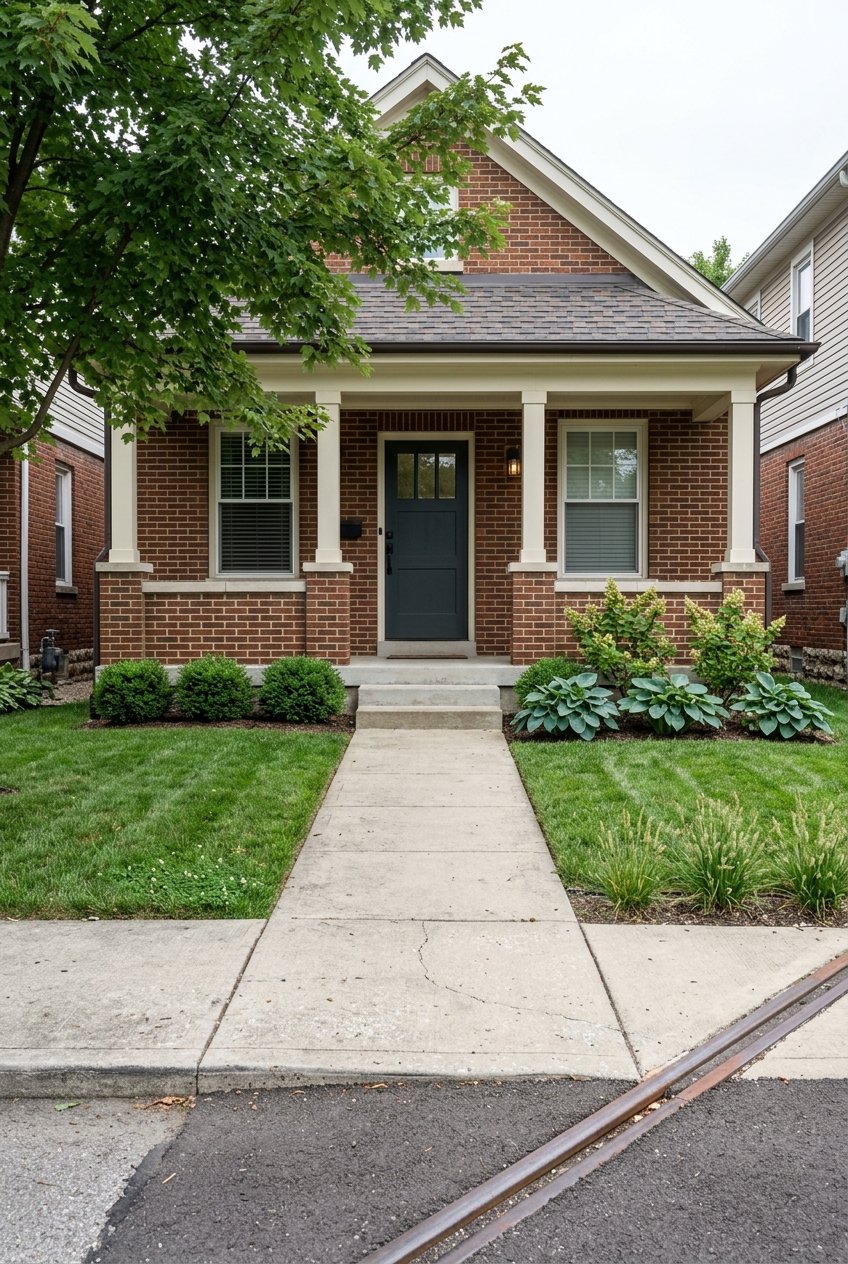
Mt. Lebanon’s housing stock is largely early-to-mid 20th-century homes, with brick colonials, foursquares, bungalows, and mid-century pockets. True new construction is limited, so supply does not expand quickly. Inventory is often lumpy. A handful of well-priced, updated homes can move fast and pull active listing counts down, while a wave of homes that need work can slow absorption and lengthen days on market.
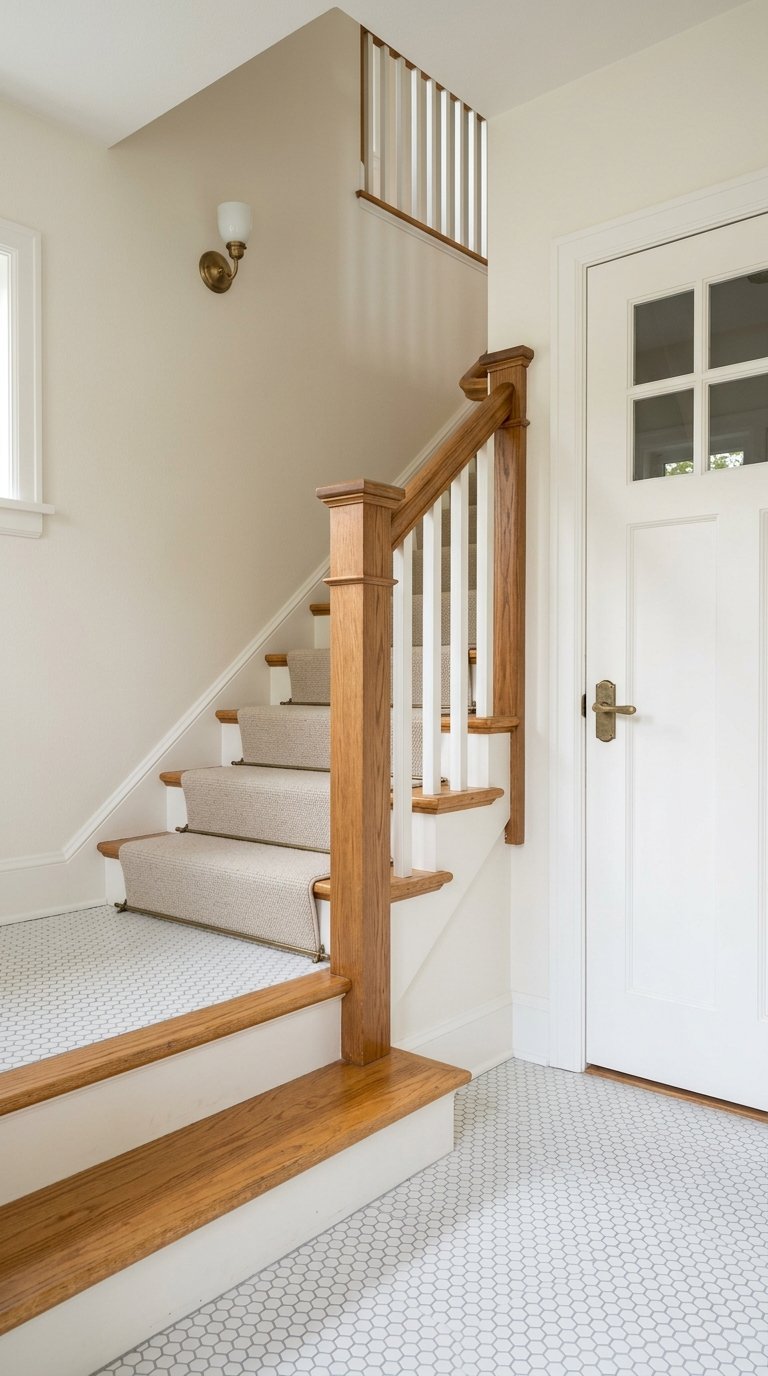
Because many homes are older, condition drives performance. Renovated kitchens and baths, updated mechanicals, and move-in-ready finishes tend to earn a clear premium and shorten time on market. Homes that need updates usually carry lower prices per square foot and longer marketing windows.
Price bands in focus
Entry and condo
- What it includes: 1 to 2 bedroom condos, small townhouses, and the smallest single-family homes.
- Who is buying: First-time buyers, downsizers, and investors.
- How it behaves: Turnover can be faster when priced well, and this band is often a good option for rate-sensitive buyers.
- Tips: Clean, modern finishes and clear condo documentation help sellers. Buyers can look for units needing light cosmetic work to avoid head-to-head competition.
Mid-market single-family
- What it includes: Most 3 to 4 bedroom colonials, bungalows, and modestly renovated homes.
- Who is buying: Growing households seeking neighborhood amenities and convenient commutes.
- How it behaves: Often the most active segment, especially late winter through spring. Renovated homes close more quickly and can command premiums, while unrenovated properties sit longer.
- Tips: Sellers should stage for everyday living and organize maintenance and upgrade records. Buyers should arrive pre-approved and be ready with clean terms during peak season.
Upper-mid to premium
- What it includes: Larger footprints, extensive renovations, or prime locations near downtown amenities or transit.
- Who is buying: Households that prioritize space, updated kitchens and baths, and finished lower levels.
- How it behaves: Inventory is tighter and prices per square foot are higher. Marketing time can be longer at certain times of year, but strong offers surface when supply is thin.
- Tips: Sellers benefit from professional staging and high-caliber photography. Buyers should allow a longer search window for the right fit.
Luxury and rare
- What it includes: Unique properties, large custom homes, and standout renovations.
- Who is buying: A smaller, highly specific buyer pool.
- How it behaves: Days on market can be longer, and pricing accuracy is critical. Presentation and targeted exposure matter.
- Tips: Sellers may consider pre-inspections and comprehensive disclosures. Buyers should leverage a local expert to uncover off-market or coming-soon opportunities.
Timing and seasonality
Spring, from late February through May, is typically the busiest stretch. More new listings and more active buyers produce quicker sales for well-priced homes. Summer can remain active, though buyers are more selective, and some properties closer to school zoning lines may see pricing pressure.
Late fall through early winter usually brings fewer listings and fewer buyers. If you list then, you may meet more motivated buyers, and you can still secure strong results with the right pricing and presentation. Rate shifts can change the pace at any time, so watch mortgage trends alongside seasonal patterns.
Metrics that signal a shift
Track a few core indicators so you know when momentum changes.
- Median sale price: Watch the 30 to 90 day trend and the year-over-year change for direction.
- Active listings and new listings: Low supply often speeds up sales and supports pricing; rising supply can increase negotiation.
- Months of inventory: A lower number suggests a tighter, more competitive market; a higher number suggests more balance and time to decide.
- Days on market: Shortening DOM signals stronger demand, especially for updated homes; rising DOM often means buyers have more choices.
- Sale-to-list price ratio: Higher ratios tell you sellers are getting closer to asking; lower ratios point to more negotiation room.
- Price per square foot: Useful for comparing similar homes in different parts of the township.
- Inventory mix: Split by property type and price band to see which segments are tight and which are soft.
Smart buyer moves
- Get pre-approved early. You will be ready to move when the right home appears.
- Set alerts for your target streets and price range. Updated homes near amenities can go quickly.
- Be flexible on cosmetic updates. Light projects can help you avoid bidding pressure and win value.
- Use local insight. A neighborhood-savvy advisor can flag quiet pockets, transit advantages, and fair pricing.
Smart seller moves
- Focus on condition. Modest investments in kitchens, baths, and mechanical updates can produce outsized returns.
- Stage for everyday living. Clear surfaces, bright lighting, and neutral paint help your photos stand out.
- Price with the segment. Compare within your true price band and condition tier so you launch competitively.
- Time the market. Late winter and spring bring larger buyer pools. Fall and early winter can still deliver strong outcomes with good pricing and presentation.
How Wendy helps you win
You deserve more than a sign in the yard. With a high-touch, local approach backed by Howard Hanna’s reach, you get premium listing presentation, thoughtful pricing, and proactive negotiation. If you are buying, you get neighborhood insight, fast matching, and clear guidance on terms. If you are relocating or exploring rentals, you can tap relocation support and rental placement for a smooth landing.
Ready to make a move in Mt. Lebanon with clarity and confidence? Connect with Wendy Weaver for local guidance and a plan tailored to your goals.
FAQs
What is driving Mt. Lebanon home demand right now?
- Steady interest comes from the township’s walkable amenities, commuting options to Pittsburgh, and consistent lifestyle appeal across price points.
How does seasonality affect Mt. Lebanon sellers?
- Spring brings more buyers and faster sales for updated, well-priced homes, while late fall and winter offer smaller pools but often more motivated buyers.
Which Mt. Lebanon price band is most competitive?
- The mid-market single-family segment often sees the most activity, especially in late winter and spring, with renovated homes moving fastest.
Do renovated homes sell faster in Mt. Lebanon?
- Yes, move-in-ready homes with updated kitchens, baths, and systems tend to command higher prices per square foot and shorter days on market.
How can I tell if the market is shifting?
- Watch months of inventory, days on market, and sale-to-list ratios; quick changes in these indicators usually signal a turn in momentum.